金风送爽,秋水映照,文脉绵延千年。南京贡院的森严考场,苏州文庙的肃穆庙宇,无锡东林的书声,常州文笔塔的凌云祈愿,扬州文昌阁的星辰守望……这些承载着科举记忆与书香梦想的建筑遗存,像是一部无言的史书,翻开便是江南千年的学子身影与文化印记。
The golden autumn breeze cools the air, and the sound of study reaches the ear; autumn waters reflect as cultural lineage extends a thousand years. The stern exam halls of Nanjing’s Jiangnan Examination Hall, the solemn temples of Suzhou’s Prefectural Confucian Temple, the recitations echoing in Wuxi’s Donglin Academy, the high petitions of Changzhou’s Wenbi Tower, and the starry watch of Yangzhou’s Wenchang Pavilion — these architectural relics carrying memories of the imperial examinations and scholarly dreams are like a wordless chronicle; opening them reveals the figures of Jiangnan’s students and cultural imprints across a millennium.
网络图片/图 李昱宪/ 整理
🍁 南京 · 江南贡院
Nanjing · Jiangnan Examination Hall
 图片源自于网络
 图片源自于网络
 图片源自于网络
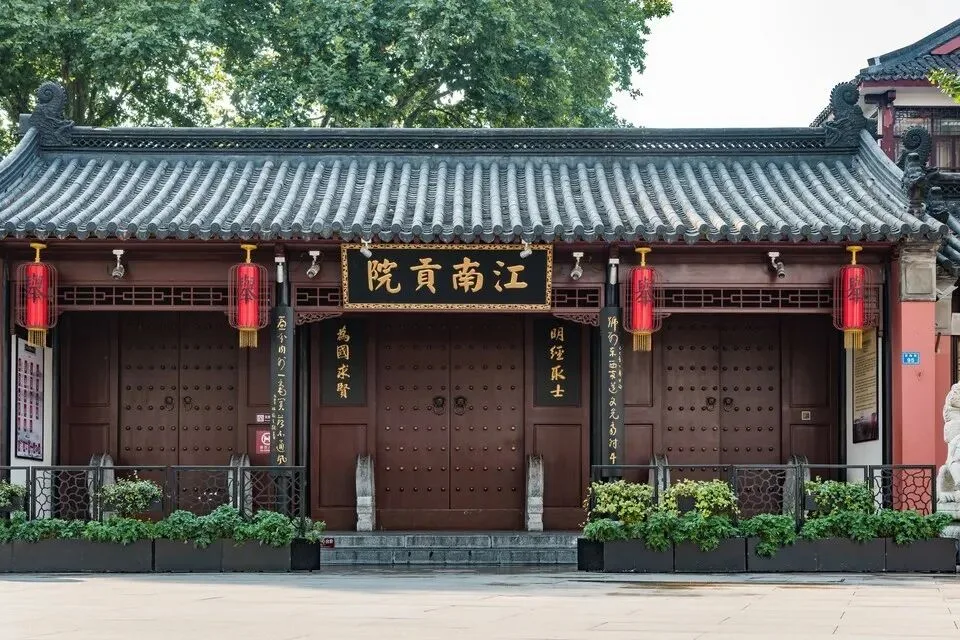
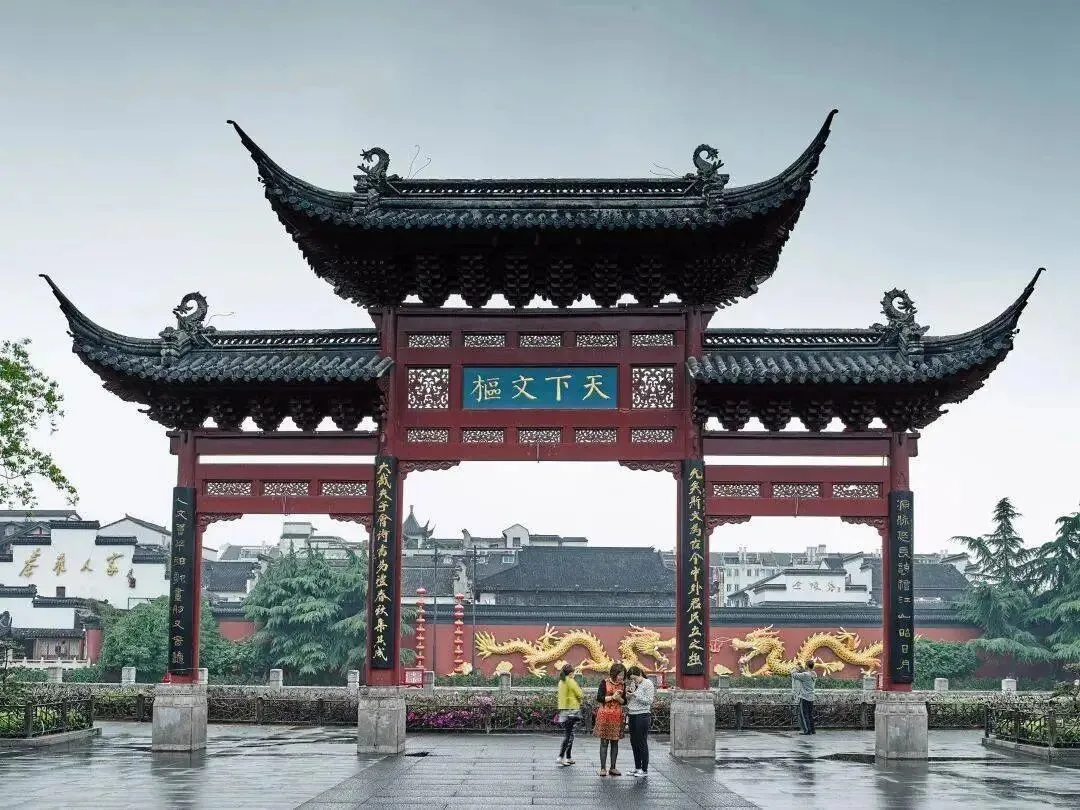
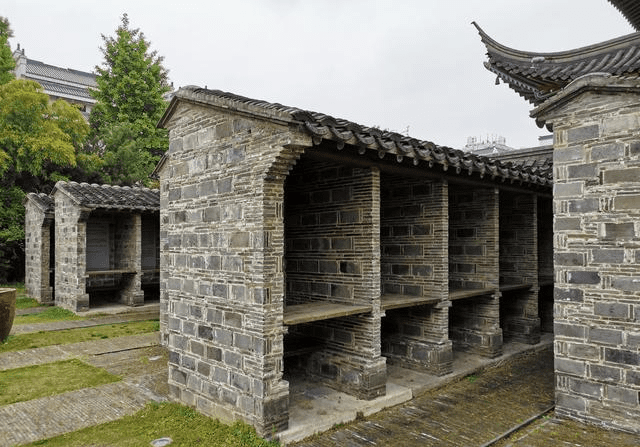
南京夫子庙东侧的江南贡院,是中国古代最大的科举考场,占地30万平方米,号舍多达20644间。明远楼、龙门、至公堂、戒慎堂、飞虹桥等建筑,见证了科举的严苛与公正。这里曾培养出王安石、范仲淹、郑板桥、林则徐等清官廉吏。贡院高墙环绕,戒备森严,又因荆棘遍布,被称作“棘闱”。
Located east of the Nanjing Confucius Temple, Jiangnan Examination Hall was the largest imperial examination venue in ancient China, covering 300,000 square meters with up to 20,644 cells. Structures such as Mingyuan Tower, Dragon Gate, Zhigong Hall, Jieshen Hall, and Feihong Bridge witnessed the rigor and fairness of the examination system. It produced officials such as Wang Anshi, Fan Zhongyan, Zheng Banqiao, and Lin Zexu. Surrounded by high walls and under strict guard, the examination hall was also called the “Thorny Gate” (棘闱).
|
🍁 苏州 · 府学文庙
Suzhou · Confucian Temple
 图片源自于网络
 图片源自于网络
 图片源自于网络
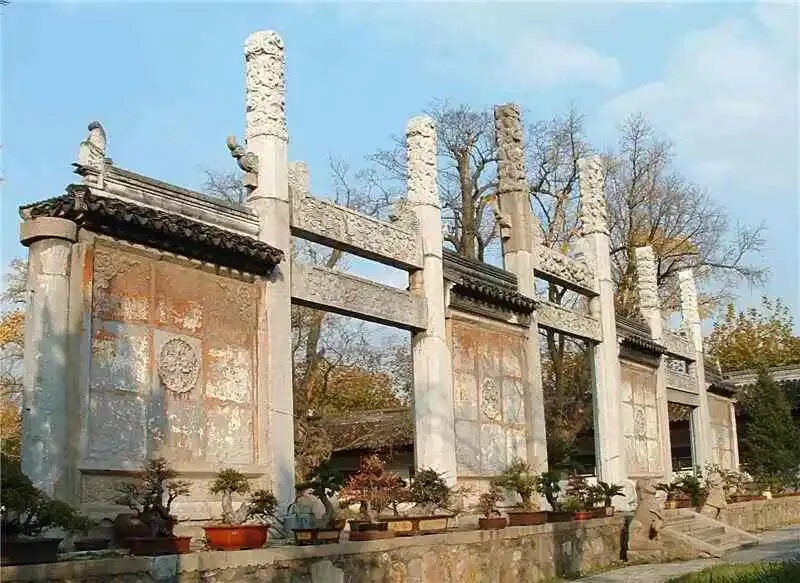
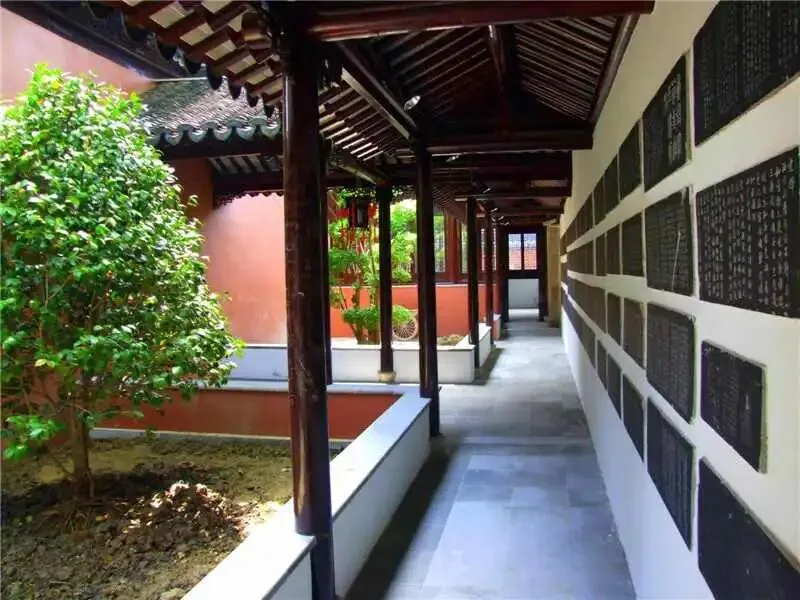
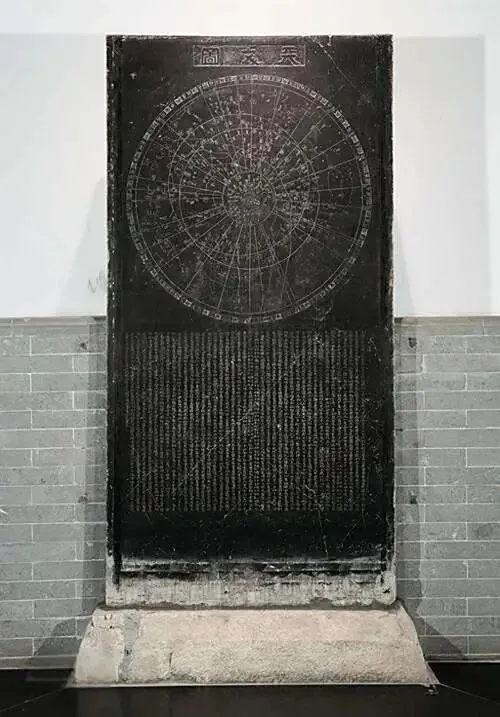
苏州府学文庙始建于北宋景祐二年,距今已有近千年历史,是江南地区规模最大、保存最完整的府学文庙。作为历代府学所在地,这里既是祭孔的场所,也是古代科举教育的重要机构。中轴线上依次建有棂星门、大成殿、东西庑、名宦祠和乡贤祠,格局端庄严谨。殿内存有历代重修碑刻与楹联,见证了文庙的沿革与祭祀传统。苏州文庙府学是江南文脉的重要见证,承载着世代学子读书求仕的记忆。
Suzhou Confucian Temple was first built in the second year of Jingyou (Northern Song) and has stood for nearly a millennium. It is the largest and best-preserved prefectural Confucian temple in Jiangnan. As the historical site of the prefectural school, it served both as a place for Confucian worship and as an institution for imperial-examination education. Along the central axis stand the Lingxing Gate, the Hall of Great Achievement, the East and West Chambers, the Shrine of Worthy Officials, and the Shrine of Local Worthies. Inside are stone inscriptions and couplets from successive renovations, which bear witness to the temple’s alterations and ritual traditions. Suzhou Confucian Temple and prefectural school are an important testament to Jiangnan’s cultural lineage.
|
🍁 无锡 · 东林书院
Wuxi · Donglin Academy
 图片源自于网络
 图片源自于网络
 图片源自于网络
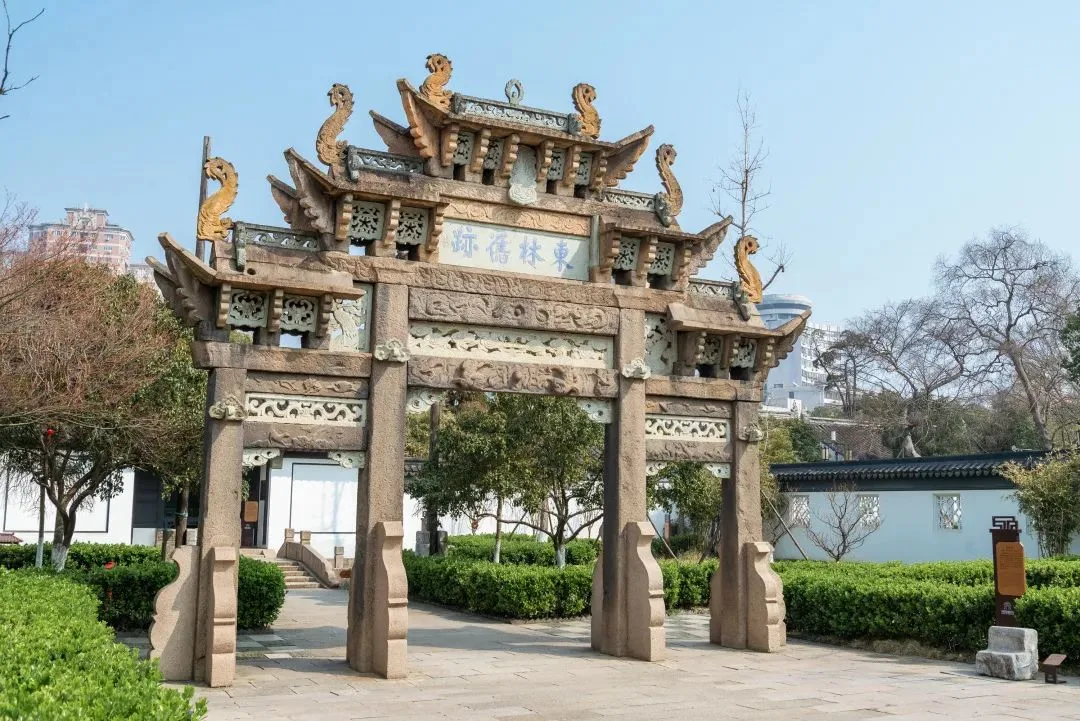
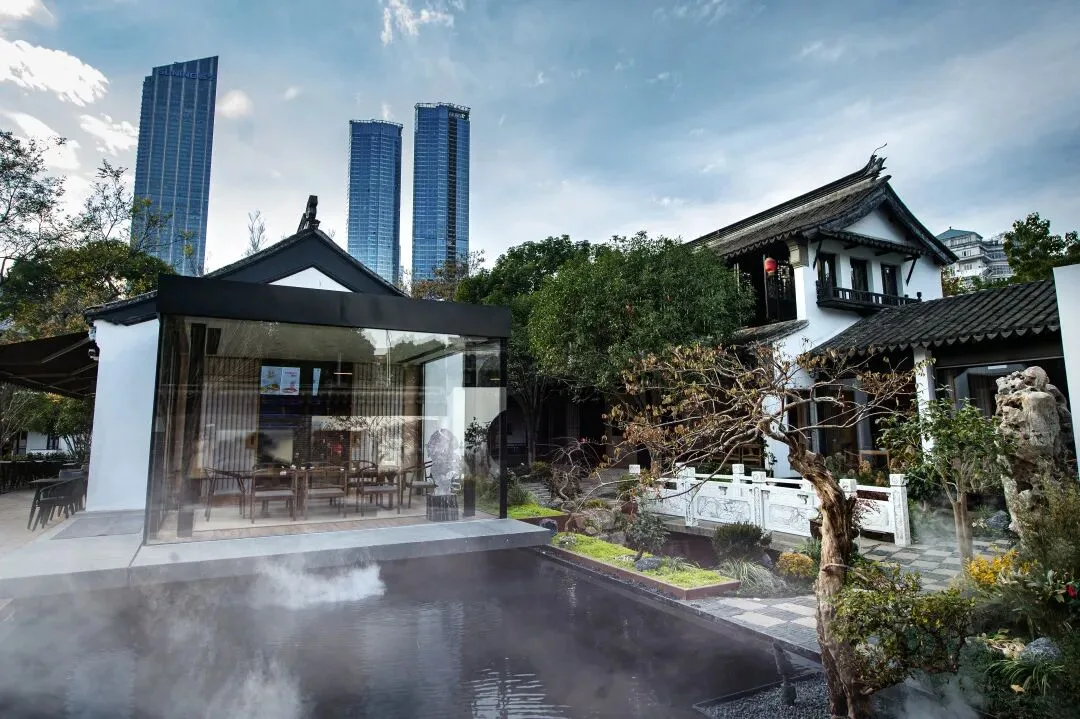
东林书院创建于北宋政和元年(1111年),是学者杨时长期讲学之地。明万历三十二年(1604年),顾宪成等人重修书院并聚众讲学,倡导“读书、讲学、爱国”,在学界产生广泛影响,声名大振。顾宪成所撰名联“风声雨声读书声声声入耳,家事国事天下事事事在心” 广为传颂,被誉为 “天下言书院者,首东林” 。东林书院由此成为江南人文荟萃之地和议论国事的重要舆论中心。
Donglin Academy was founded in the first year of Zhenghe (1111) and was the place where scholar Yang Shi lectured for many years. In Wanli 32 (1604), Gu Xiancheng and others restored the academy and gathered to lecture, advocating “study, discourse, and patriotism,” which produced broad influence in scholarly circles and brought the academy fame. Gu Xiancheng’s couplet “the sound of wind, the sound of rain, the sound of reading—sounds enter the ear; family affairs, national affairs, world affairs—matters dwell in the heart” was widely circulated and the academy was praised as “foremost among academies.” Donglin thus became a center of Jiangnan scholarship and a major forum for public debate on state matters.
|
🍁 常州 · 文笔塔
Changzhou · Wenbi Tower
 图片源自于网络
 图片源自于网络
 图片源自于网络
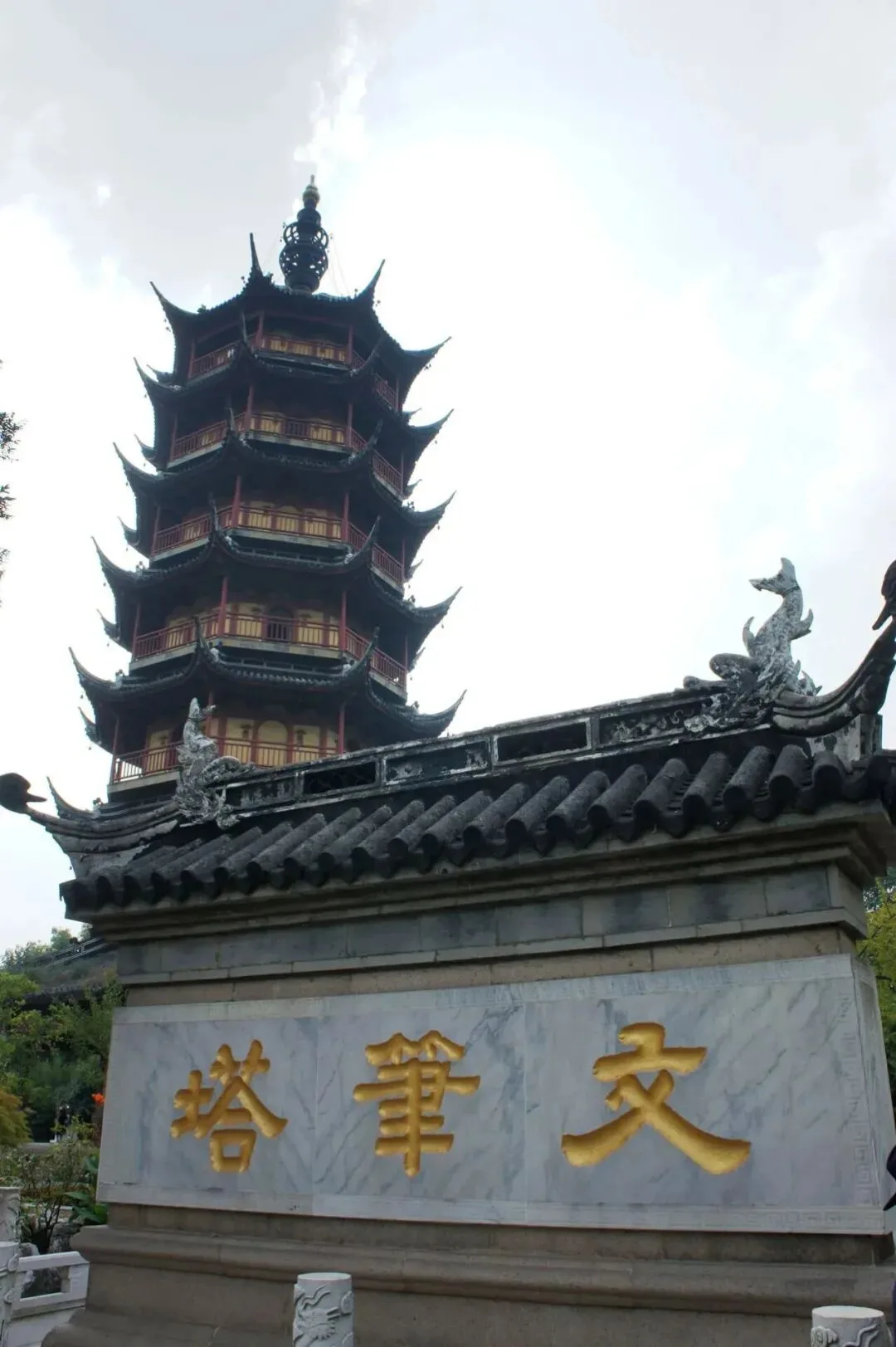
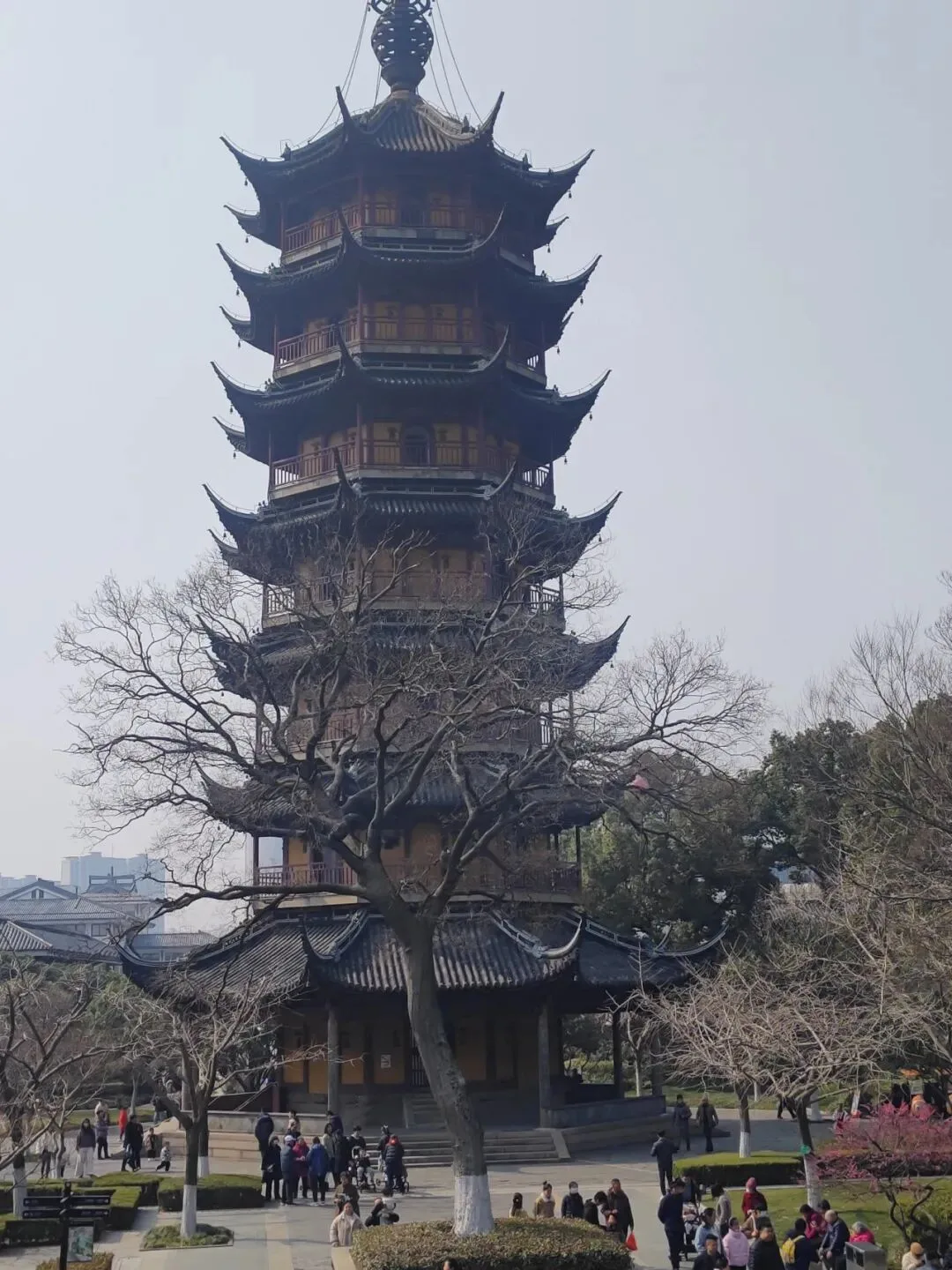
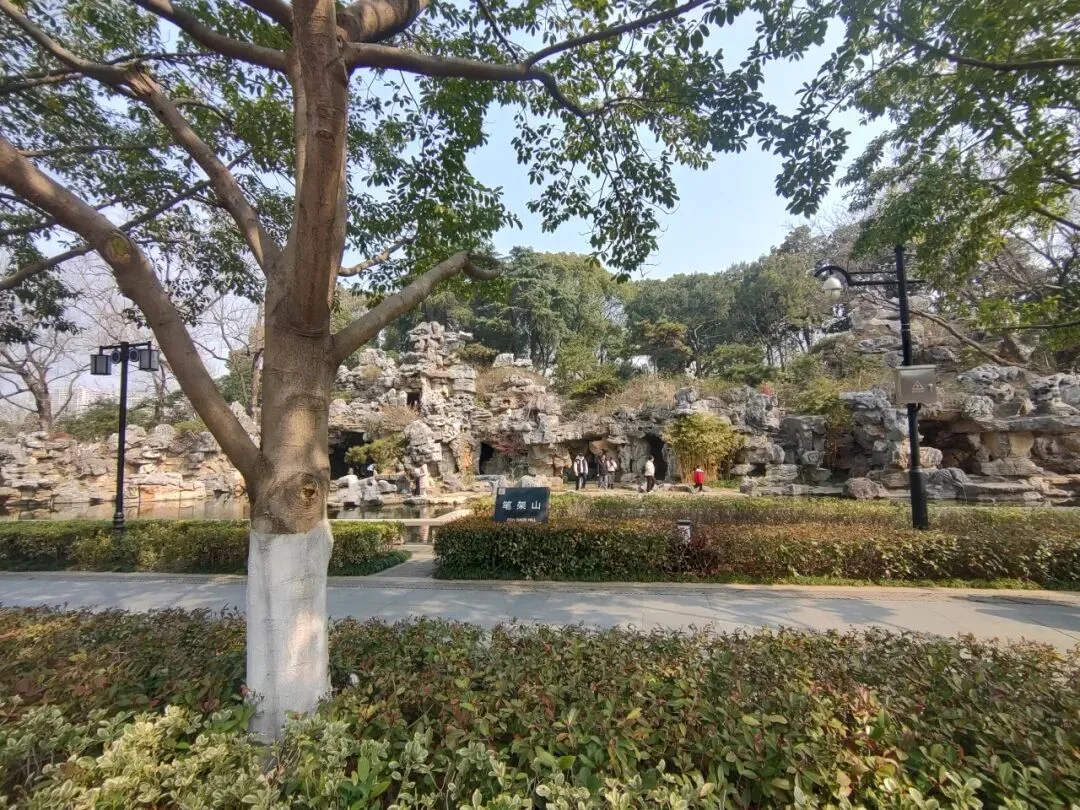
文笔塔始建于南齐建元年间,原为太平寺塔,距今已有1500余年。现存塔身为晚清建筑,基座为南齐旧物。文笔塔七级八面,中有旋梯,塔刹高耸,檐角飞扬。北面隔溪有笔架山,常州人以塔为笔,以山为架。清代洪亮吉有诗描绘“文笔夕照” ,宋代杨万里亦有题咏。文笔塔为常州人视为笔魂,考生登塔祈祷。传说赵翼因未登塔而失状元。常州历史上共有17名状元,1546名进士。
Wenbi Tower was first built in the Jianyuan era of Southern Qi, more than 1,500 years ago, originally as the tower of Taiping Temple. The existing tower body dates from the late Qing, while the lotus-petal–shaped ancient base is from Southern Qi. The tower has seven tiers and eight sides with an internal spiral staircase; the spire rises high and the eaves fly. To the north, across a stream, a rock formation resembles a brush rack and is called Brush-Rack Hill; locals liken the tower to a brush and the hill to its rack. Qing scholar Hong Liangji wrote of “Wenbi Evening Glow,” and Song poet Yang Wanli also composed about it. Wenbi Tower is regarded locally as the “soul of the brush,” and examinees historically climbed the tower to pray. Legend says Zhao Yi failed to become the top scholar because he did not climb the tower. Historically, Changzhou produced 17 top scholars and 1,546 jinshi.
|
🍁 扬州 · 文昌阁
Yangzhou · Wenchang Pavilion
 图片源自于网络
 图片源自于网络
 图片源自于网络
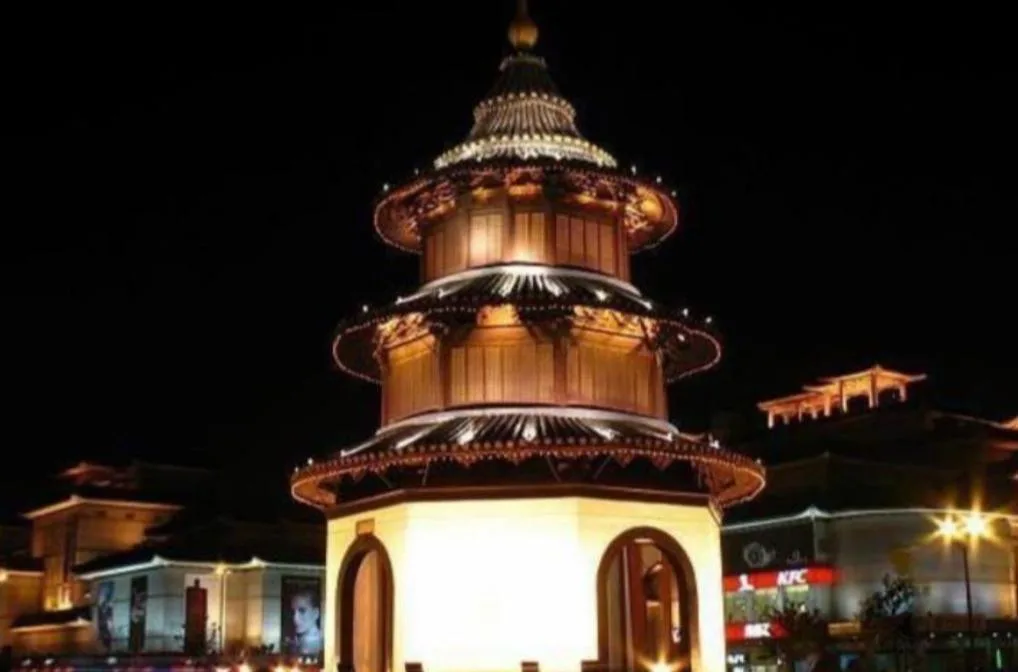
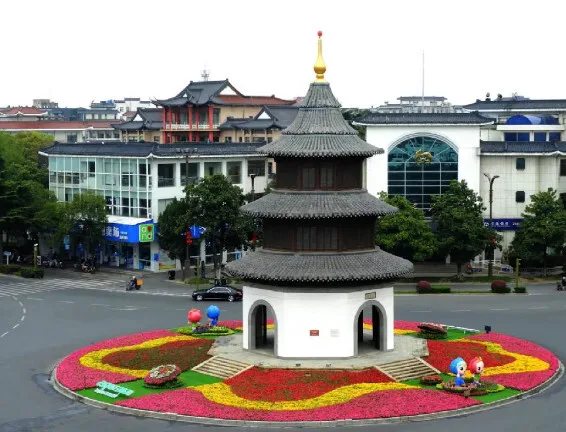
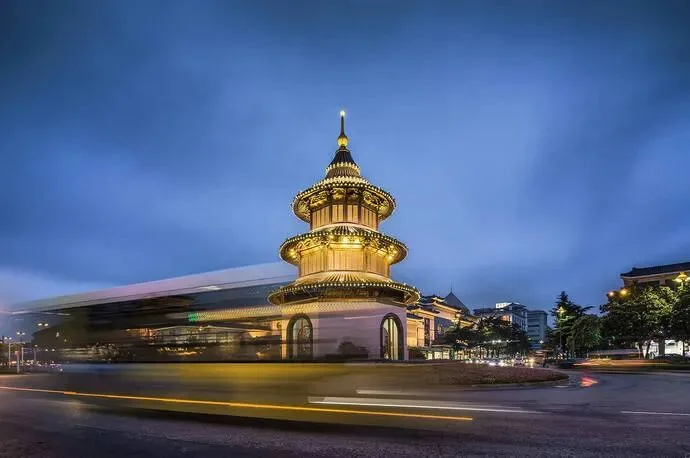
扬州文昌阁始建于万历十三年(1585年),由知府虞德晔建造,最初位于扬州府学文津桥前,供奉文昌帝君,寄托古代文人“得禄籍、仕科举”的愿望。康熙与乾隆年间两次修缮,光绪二十三年重建。文昌阁为三重檐圆形建筑,朱红门窗、青灰简瓦,采用三重檐攒尖顶造型,体现工匠技艺。历经四百余年,文昌阁一直是扬州文脉的象征,承载着城市对文化与科举传统的记忆。
Yangzhou Wenchang Pavilion was built in Wanli 13 (1585) by Prefect Yu Deye and was originally located in front of the Wenjin Bridge at the prefectural school. It was dedicated to Wenchang Dijun and embodied the hopes of ancient scholars for success in the imperial examinations. It was repaired twice in the Kangxi and Qianlong periods and rebuilt in the 23rd year of Guangxu. The pavilion is a triple-eaved circular structure with red doors and windows and gray tiles, using a triple-eaved spire design that reflects craftsmanship. Over more than four centuries, Wenchang Pavilion has been regarded as a symbol of Yangzhou’s cultural tradition and carries the city’s memory of literature and imperial-examination customs.