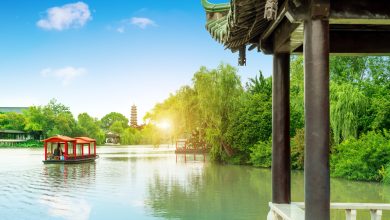
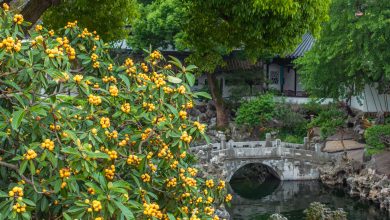
สายลมในฤดูใบไม้ร่วงสีทองพัดมาอย่างเย็นสบาย เสียงของการเรียนรู้ดังก้อง ผิวน้ำในฤดูใบไม้ร่วงสะท้อนแสงเปรียบเสมือนกับสายน้ำแห่งวัฒนธรรมที่สืบทอดกันมาหลายพันปี ห้องโถงเจียงหนานในเมืองหนานจิง วัดขงจื๊อในเมืองซูโจวที่เต็มไปด้วยความศักดิ์สิทธิ์ เสียงสวดมนต์จากสำนักตงหลินในเมืองอู๋ซี คำอธิษฐานที่หอคอยเหวินปี้ในเมืองฉางโจว และแสงดาวบนศาลาเหวินชางในเมืองหยางโจว ล้วนแล้วเป็นมรดกทางสถาปัตยกรรมที่บันทึกถึงความทรงจำและเรื่องราวของการสอบจอหงวนและความฝันของนักปราชญ์ เหมือนกับพงศาวดารที่ไร้ข้อความ แต่เมื่อเปิดอ่านก็จะจินตนาการเห็นภาพของนักเรียนที่ขวนขวายใฝ่รู้ และเรื่องราวทางวัฒนธรรมของเมืองเจียงหนานตลอดยะยะเวลานับพันปี
The golden autumn breeze cools the air, and the sound of study reaches the ear; autumn waters reflect as cultural lineage extends a thousand years. The stern exam halls of Nanjing’s Jiangnan Examination Hall, the solemn temples of Suzhou’s Prefectural Confucian Temple, the recitations echoing in Wuxi’s Donglin Academy, the high petitions of Changzhou’s Wenbi Tower, and the starry watch of Yangzhou’s Wenchang Pavilion — these architectural relics carrying memories of the imperial examinations and scholarly dreams are like a wordless chronicle; opening them reveals the figures of Jiangnan’s students and cultural imprints across a millennium.
รูปภาพจากเวปไซต์
🍁 หนานจิง – ห้องโถงเจียงหนาน
Nanjing · Jiangnan Examination Hall
 รูปภาพจากอินเทอเนต
 รูปภาพจากอินเทอเนต
 รูปภาพจากอินเทอเนต
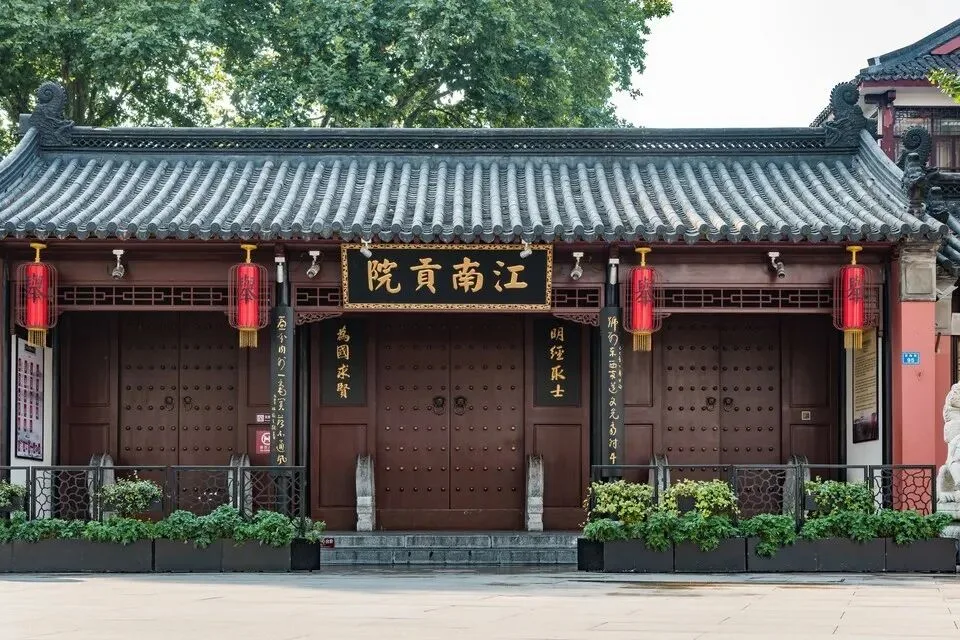
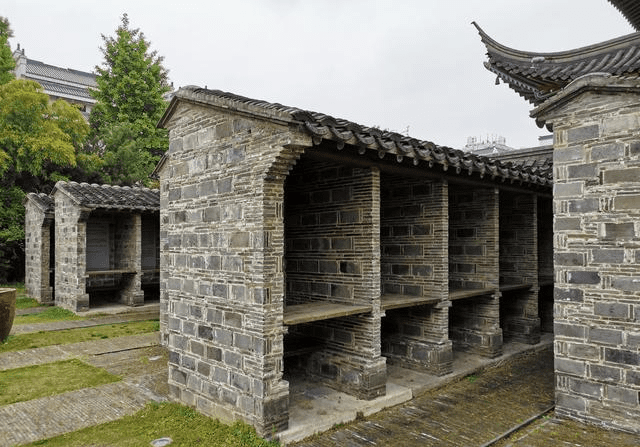
ตั้งอยู่ทางทิศตะวันออกของวัดขงจื๊อ ในเมืองหนานจิง ซึ่งใช้เป็นสถานที่สำหรับการจัดสอบของจักรพรรดิที่ใหญ่ที่สุดในประเทศจีน มีพื้นที่ครอบคลุมประมาณ 300,000 ตารางเมตร โดยมีห้องสอบจำนวน 20,644 ห้อง โครงสร้างต่างๆ เช่น หอคอยหมิงหยวน ประตูมังกร ศาลาจื้อกง ศาลาเจี่ยเสิน และสะพานเฟยหง ซึ่งเป็นสิ่งที่แสดงให้เห็นถึงความยุติธรรมในระบบการสอบ สถานที่แห่งนี้เป็นสถานที่ที่ก่อให้เกิดข้าราชการ อาทิ หวัง อันสือ, ฟ่าน จงหยาน, เจิ้ง บันเฉียว และ หลิน เจ๋อซู่ ห้องโถงนี้ล้อมรอบด้วยกำแพงสูง และมีการเฝ้ายามอย่างเข้มงวด ทำให้ถูกขนานนามว่า “ประตูหนาม”
Located east of the Nanjing Confucius Temple, Jiangnan Examination Hall was the largest imperial examination venue in ancient China, covering 300,000 square meters with up to 20,644 cells. Structures such as Mingyuan Tower, Dragon Gate, Zhigong Hall, Jieshen Hall, and Feihong Bridge witnessed the rigor and fairness of the examination system. It produced officials such as Wang Anshi, Fan Zhongyan, Zheng Banqiao, and Lin Zexu. Surrounded by high walls and under strict guard, the examination hall was also called the “Thorny Gate” (棘闱).
|
🍁 ซูโจว – วัดขงจื๊อ
Suzhou · Confucian Temple
 รูปภาพจากอินเทอเนต
 รูปภาพจากอินเทอเนต
 รูปภาพจากอินเทอเนต
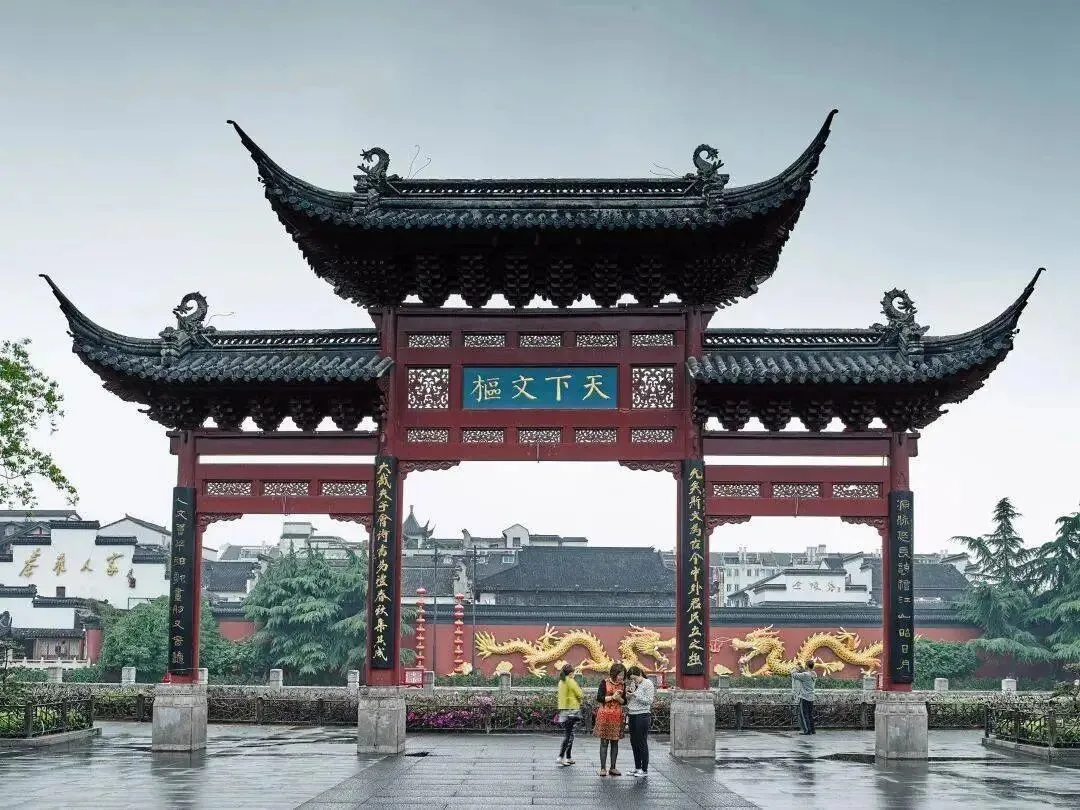
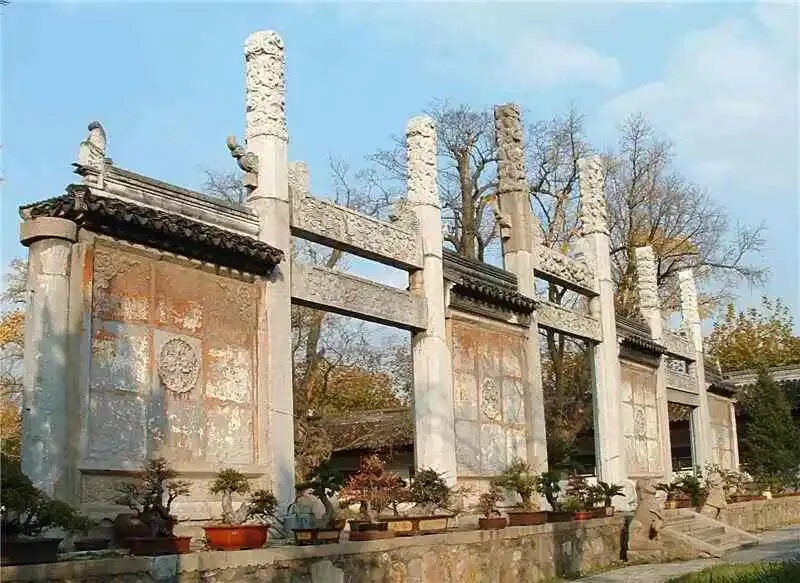
วัดขงจื๊อในเมืองซูโจว ถูกสร้างขึ้นในช่วงปีที่ 2 ของรัชสมัย จิงโหยวในราชวงศ์ซ่งเหนือ วัดนี้มีอายุเกือบพันปี เป็นวัดที่ใหญ่ที่สุดซึ่งได้รับการอนุรักษ์ไว้อย่างดีในภูมิภาคเจียงหนาน ก่อนหน้านี้เคยเป็นที่ตั้งของโรงเรียนประจำจังหวัด เป็นสถานที่ศักดิ์สิทธิ์ใช้สำหรับการสักการะบูชาขงจื๊อ รวมทั้งเป็นศูนย์กลางการศึกษาสำหรับการสอบเข้ารับราชการในราชสำนัก
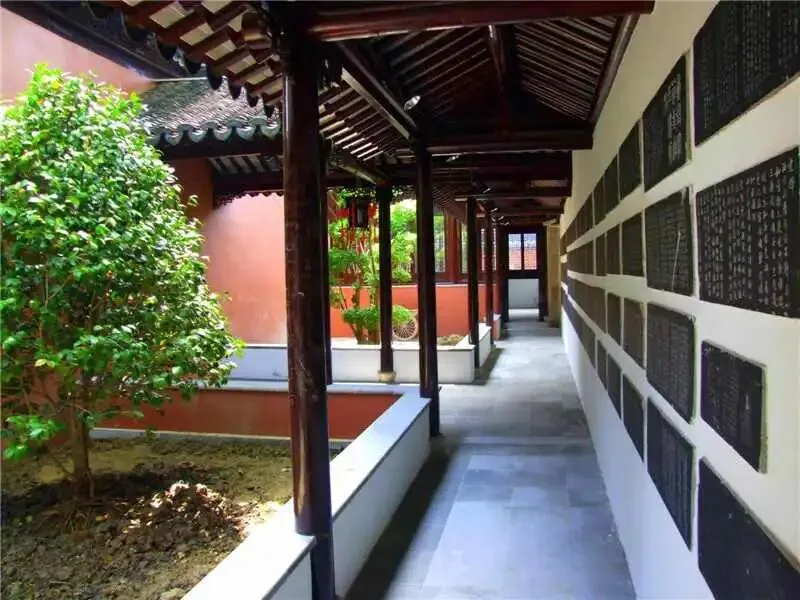
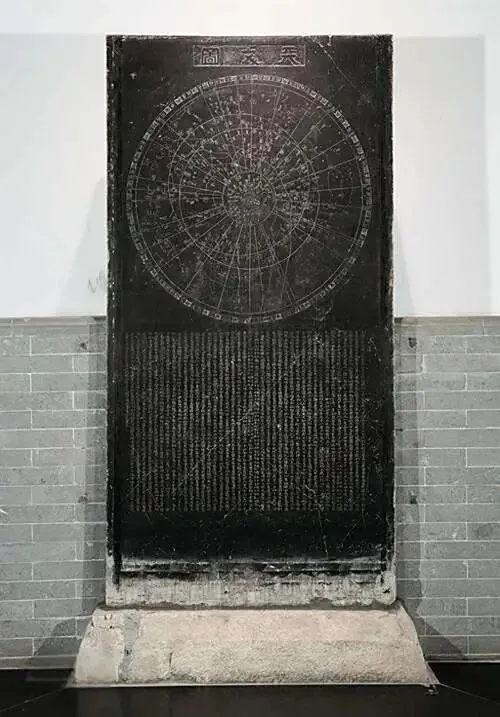
ในส่วนแกนกลางของวัดประกอบด้วยประตูหลิงซิง, หอแห่งความสำเร็จ, ห้องตะวันออกและตะวันตก, ศาลเจ้าข้าราชการ และศาลเจ้าผู้ทรงคุณวุฒิท้องถิ่น ภายในวัดจะมีหินที่จารึกกลอนที่ผ่านการบูรณะมาหลายครั้ง มีการบันทึกเรื่องราวการเปลี่ยนแปลงและประเพณีที่ยาวนาน วัดขงจื๊อในซูโจวและโรงเรียนประจำจังหวัดนับเป็นสิ่งพิสูจน์เรื่องมรดกทางวัฒนธรรมที่มีค่าของเจียงหนาน
Suzhou Confucian Temple was first built in the second year of Jingyou (Northern Song) and has stood for nearly a millennium. It is the largest and best-preserved prefectural Confucian temple in Jiangnan. As the historical site of the prefectural school, it served both as a place for Confucian worship and as an institution for imperial-examination education. Along the central axis stand the Lingxing Gate, the Hall of Great Achievement, the East and West Chambers, the Shrine of Worthy Officials, and the Shrine of Local Worthies. Inside are stone inscriptions and couplets from successive renovations, which bear witness to the temple’s alterations and ritual traditions. Suzhou Confucian Temple and prefectural school are an important testament to Jiangnan’s cultural lineage.
|
🍁 อู๋ซี – สถานศึกษาตงหลิน
Wuxi · Donglin Academy
 รูปภาพจากอินเทอเนต
 รูปภาพจากอินเทอเนต
 รูปภาพจากอินเทอเนต
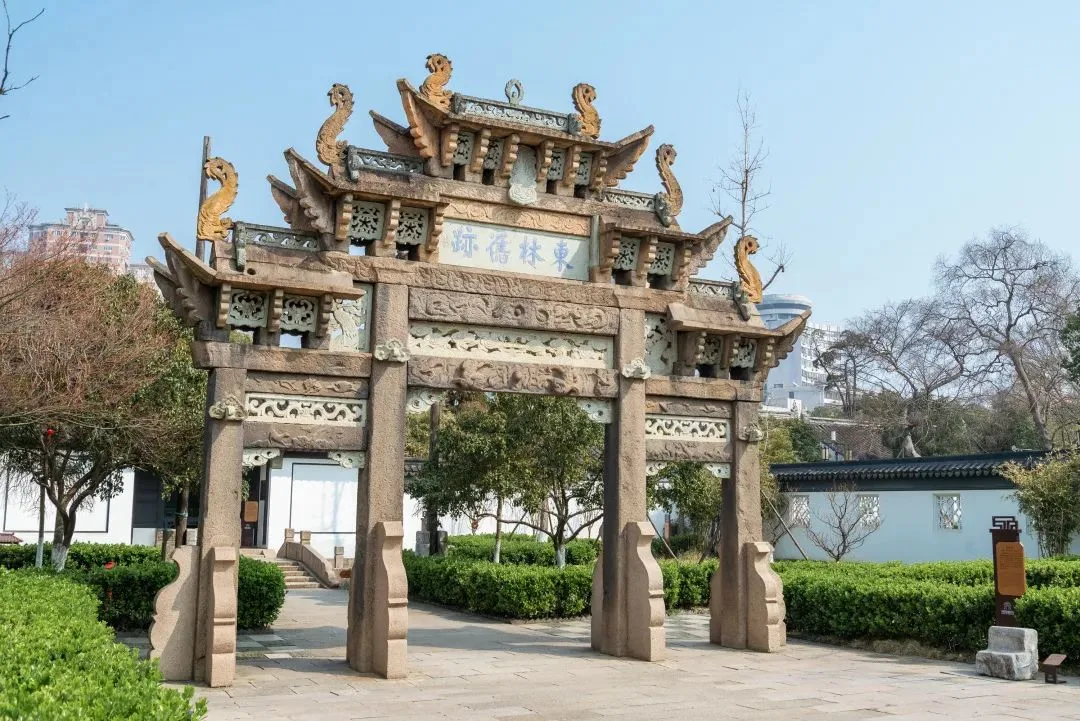
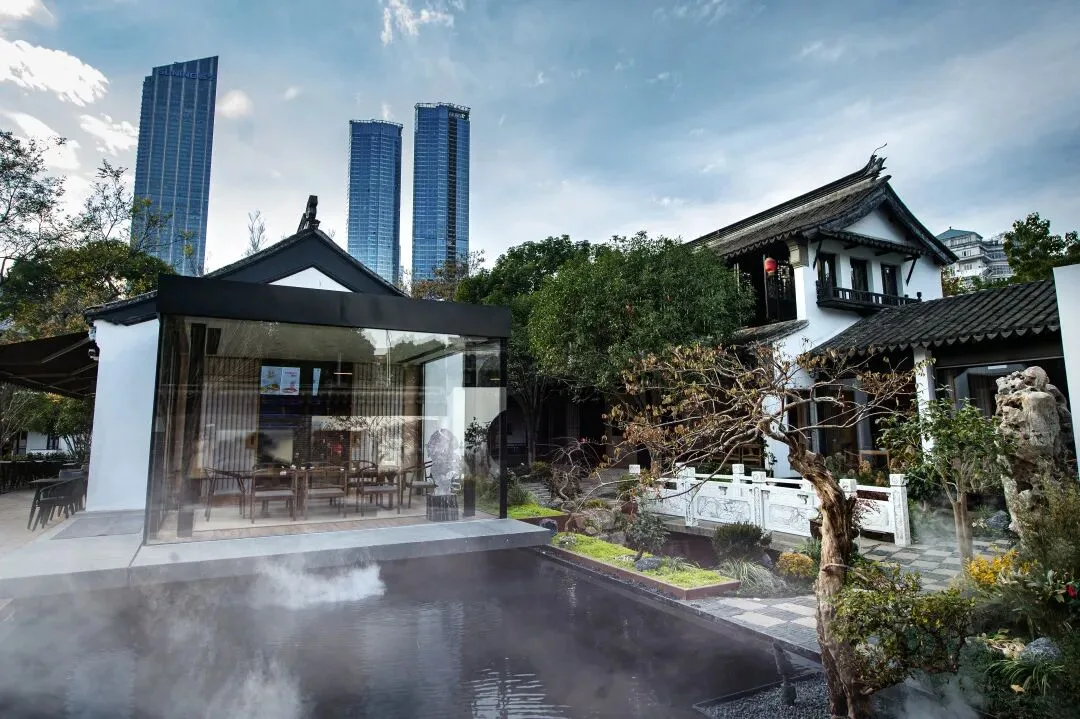
สถานศึกษาตงหลินก่อตั้งขึ้นในปีแรกของรัชสมัยเจิ้งเหอ (ค.ศ. 1111) แต่เดิมนักปราชญ์หยาง สือ เคยใช้สถานที่แห่งนี้ในการบรรยายอยู่หลายปี ต่อมาในปีว่านหลี่ที่ 32 (ค.ศ. 1604) กู่ เซียนเฉิง และกลุ่มนักวิชาการคนอื่นๆ ได้ช่วยกันฟื้นฟูสถานศึกษาแห่งนี้อีกครั้ง โดยสนับสนุน “การศึกษา การอภิปราย และความรักชาติ” ซึ่งสร้างอิทธิพลอย่างกว้างขวางในแวดวงนักวิชาการและสร้างชื่อเสียงมาสู่สถานศึกษาแห่งนี้ บทกวีของกู่ เซียนเฉิงในประโยค “เสียงลม เสียงฝน เสียงอ่าน – เข้าหู, เรื่องครอบครัว บ้านเมืองและโลก ล้วนอยู่ในหัวใจ” ได้รับการเผยแพร่อย่างกว้างขวาง จนทำให้สถานศึกษาแห่งนี้ได้รับการยกย่องว่าเป็น “สถาบันชั้นนำ” และกลายเป็นศูนย์กลางการศึกษาของเมืองเจียงหนาน และเป็นเวทีสำคัญในการอภิปรายปัญหาสำคัญ ๆ ของบ้านเมืองในสมัยนั้น
Donglin Academy was founded in the first year of Zhenghe (1111) and was the place where scholar Yang Shi lectured for many years. In Wanli 32 (1604), Gu Xiancheng and others restored the academy and gathered to lecture, advocating “study, discourse, and patriotism,” which produced broad influence in scholarly circles and brought the academy fame. Gu Xiancheng’s couplet “the sound of wind, the sound of rain, the sound of reading—sounds enter the ear; family affairs, national affairs, world affairs—matters dwell in the heart” was widely circulated and the academy was praised as “foremost among academies.” Donglin thus became a center of Jiangnan scholarship and a major forum for public debate on state matters.
|
🍁 ฉางโจว – หอคอยเหวินปี้
Changzhou · Wenbi Tower
 รูปภาพจากอินเทอเนต
 รูปภาพจากอินเทอเนต
 รูปภาพจากอินเทอเนต
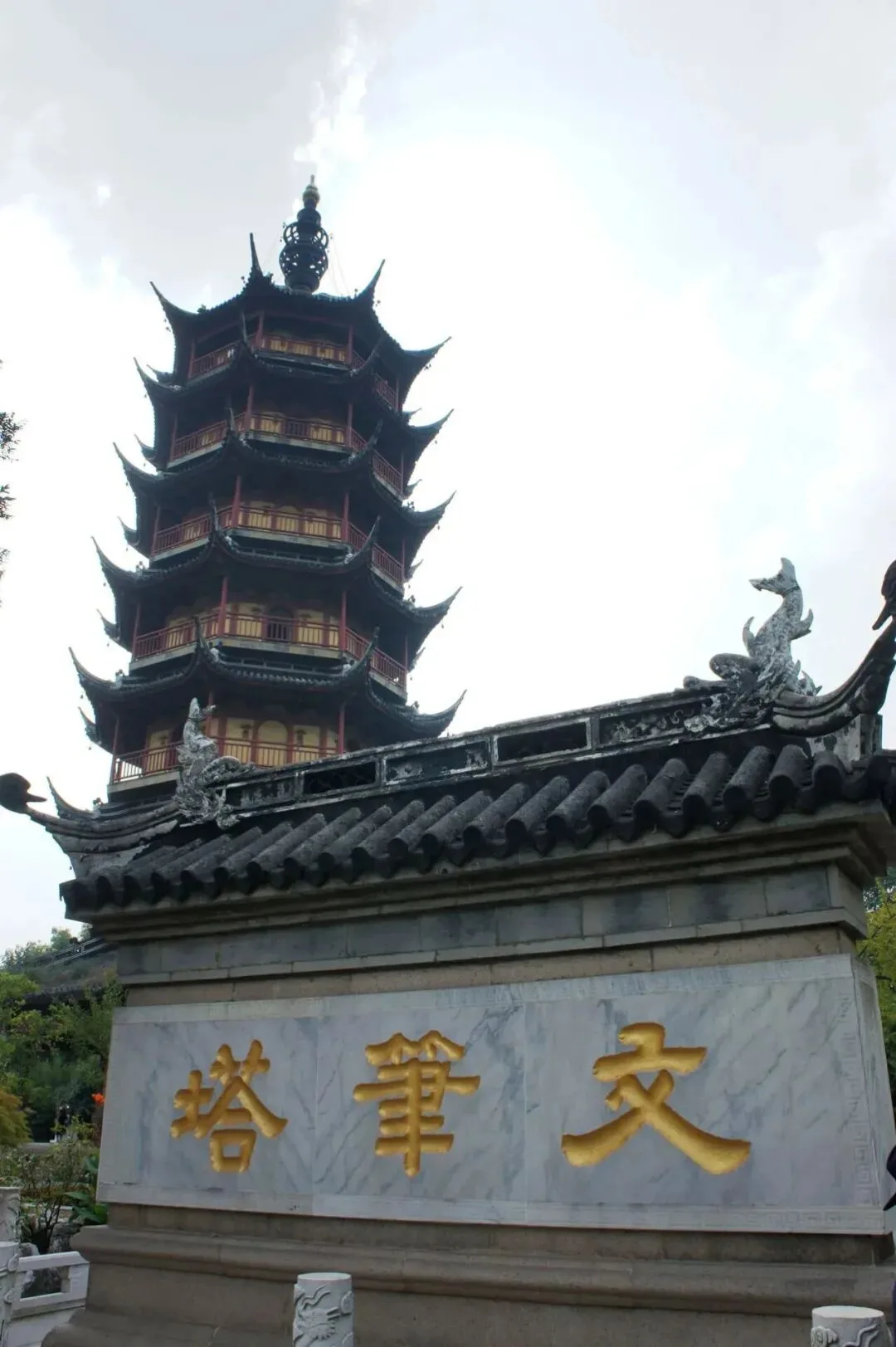
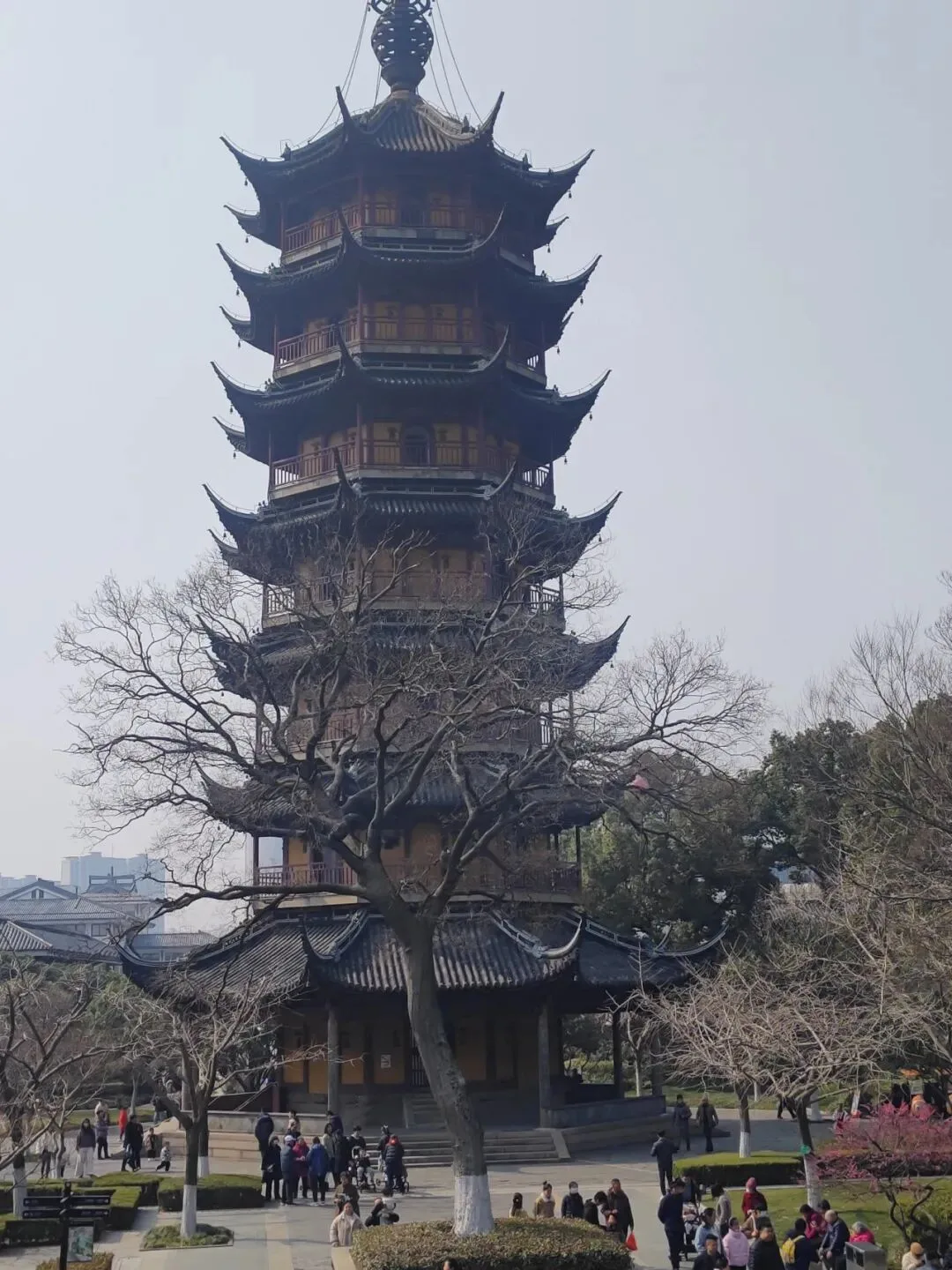
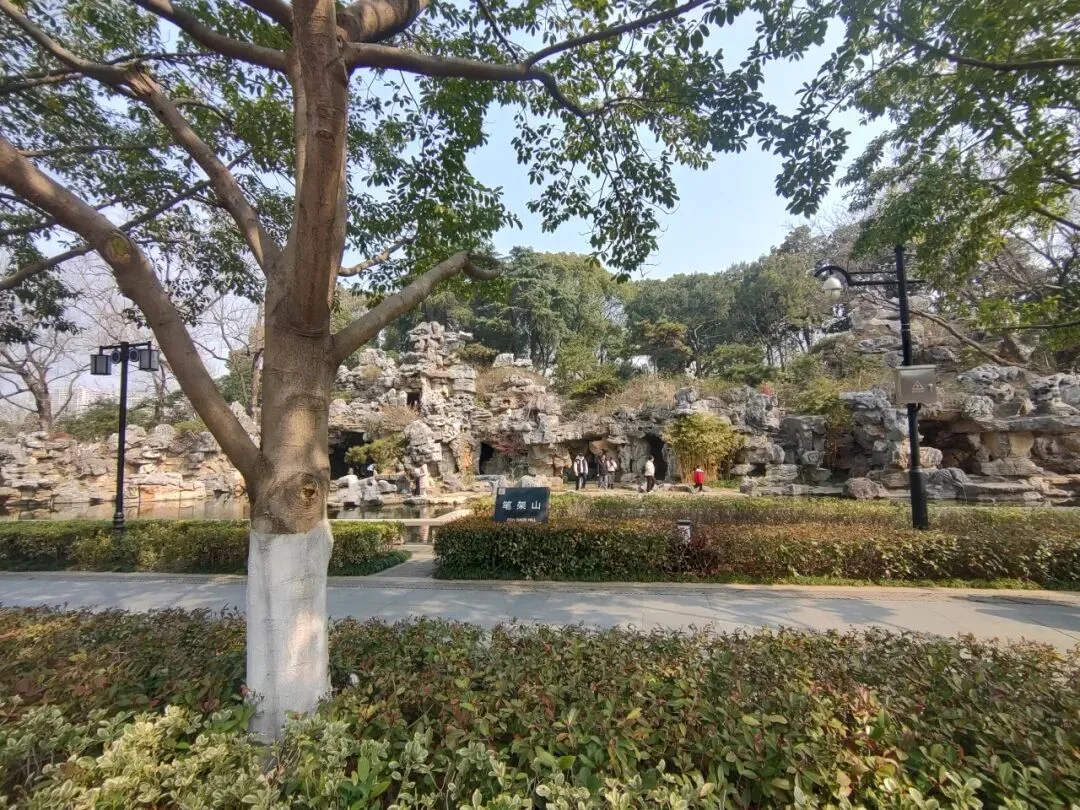
หอคอยเหวินปี้มีประวัติยาวนานกว่า 1,500 ปี สร้างขึ้นครั้งแรกในสมัยเจี้ยนหยวนแห่งราชวงศ์ฉีใต้ โดยเป็นส่วนหนึ่งของวัดไท่ผิง หอคอยที่เห็นในปัจจุบันสร้างขึ้นในช่วงปลายของราชวงศ์ชิง ซึ่งยังคงรูปแบบฐานกลีบดอกบัวตามแบบสมัยโบราณของชาวฉีใต้ไว้ หอคอยมีความสูง 7 ชั้น 8 ด้าน ประกอบด้วยบันไดวนภายใน ยอดแหลมสูงและชายคาที่ยกขึ้นอย่างสวยงาม ทางทิศเหนือ ข้ามแม่น้ำไปจะเป็นเนินเขาซึ่งมีรูปร่างคล้ายแท่นพู่กันของนักปราชญ์ จึงเป็นที่มาของคำโบราณในท้องถิ่นว่าหอคอยคือ “พู่กัน” และเนินเขาคือ “แท่น” สถานที่แห่งนี้เคยเป็นแหล่งที่สร้างแรงบันดาลใจให้กับกวีและนักปราชญ์มากมาย เช่น หง เหลียงจี นักวิชาการในราชวงศ์ชิง ผู้แต่งนิยายเรื่อง “แสงอรุณเหวินปี้” และหยาง ว่านลี่ กวีในราชวงศ์ซ่ง หอคอยเหวินปี้ ได้รับการยกย่องว่าเป็น “จิตวิญญาณแห่งพู่กัน” ในสมัยโบราณเคยเป็นสถานที่ที่ผู้เข้าสอบปีนขึ้นไปเพื่อขอพรให้ประสบความสำเร็จ มีตำนานเล่าว่าจ้าวอี้ไม่ได้รับตำแหน่งสูงสุดเพราะเขาไม่ได้ปีนขึ้นไปบนหอ ตลอดหลายศตวรรษที่ผ่านมา เมืองฉางโจวได้สร้างจ้วงหยวนจำนวน 17 คน และจินสือจำนวน 1,546 คน ซึ่งแสดงให้เห็นถึงชื่อเสียงของเมืองฉางโจวในฐานะศูนย์กลางแห่งการเรียนรู้และการศึกษา
Wenbi Tower was first built in the Jianyuan era of Southern Qi, more than 1,500 years ago, originally as the tower of Taiping Temple. The existing tower body dates from the late Qing, while the lotus-petal–shaped ancient base is from Southern Qi. The tower has seven tiers and eight sides with an internal spiral staircase; the spire rises high and the eaves fly. To the north, across a stream, a rock formation resembles a brush rack and is called Brush-Rack Hill; locals liken the tower to a brush and the hill to its rack. Qing scholar Hong Liangji wrote of “Wenbi Evening Glow,” and Song poet Yang Wanli also composed about it. Wenbi Tower is regarded locally as the “soul of the brush,” and examinees historically climbed the tower to pray. Legend says Zhao Yi failed to become the top scholar because he did not climb the tower. Historically, Changzhou produced 17 top scholars and 1,546 jinshi, cementing its legacy as a center of learning and scholarship.
|
🍁 หยางโจว – ศาลาเหวินชาง
Yangzhou · Wenchang Pavilion
 รูปภาพจากอินเทอเนต
 รูปภาพจากอินเทอเนต
 รูปภาพจากอินเทอเนต
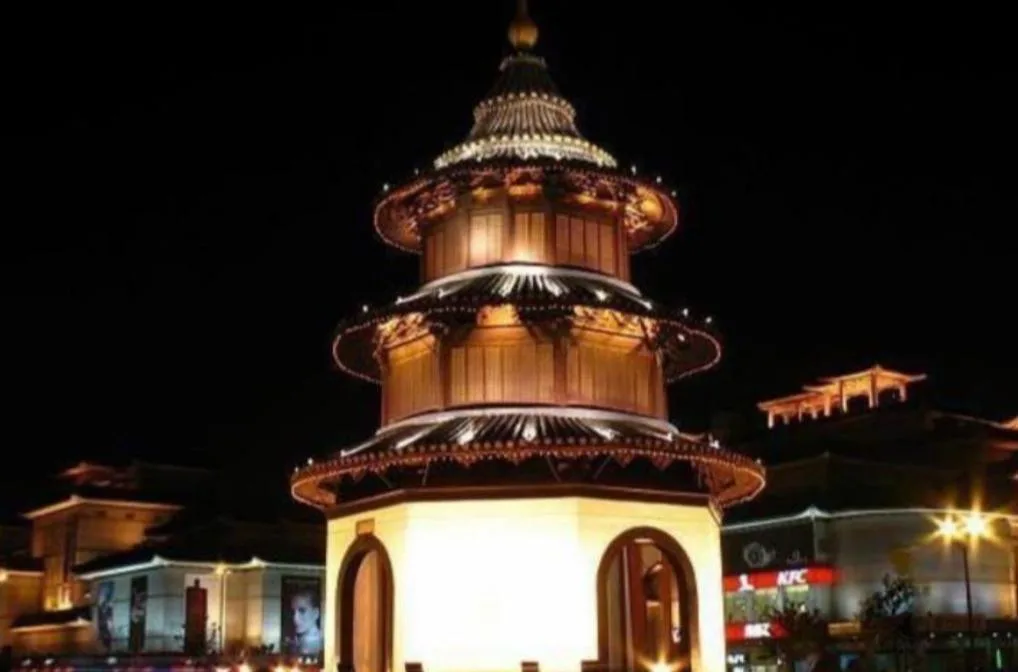
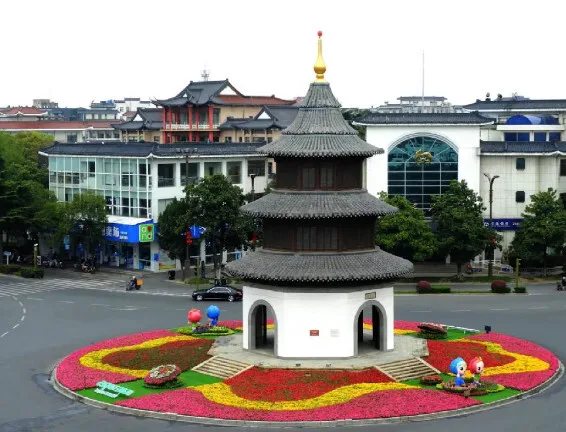
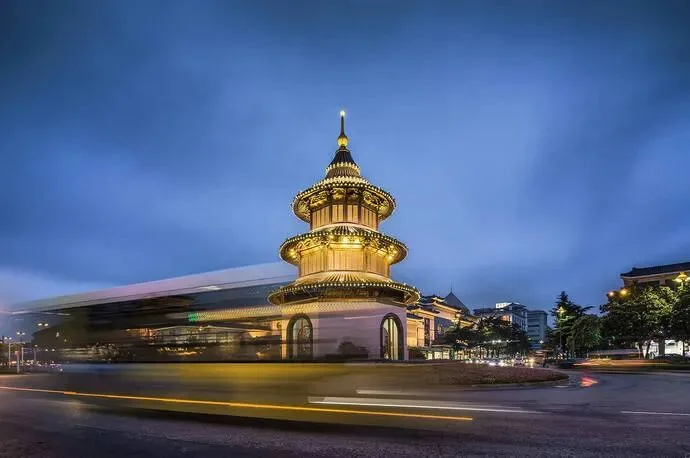
ศาลาเหวินชางในเมืองหยางโจวถูกสร้างขึ้นในปีว่านหลี่ที่ 13 (ค.ศ. 1585) โดยเจ้าเมืองหยูเต๋อเย่ แต่เดิมตั้งหน้าสะพานเหวินจินในโรงเรียนประจำจังหวัด ซึ่งสร้างขึ้นเพื่อบูชาเหวินชางตี้จวิน เทพเจ้าแห่งปัญญาและการศึกษา รวมทั้งเป็นที่พึ่งทางใจของบัณฑิตในสมัยโบราณที่ต้องการประสบความสำเร็จในการสอบเข้ารับราชการในราชสำนัก ศาลาแห่งนี้ได้รับการบูรณะสองครั้ง คือในสมัยคังซีและสมัยเฉียนหลง และถูกสร้างขึ้นใหม่ในปีที่ 23 แห่งรัชสมัยกว่างซวี่ ตัวศาลาเป็นทรงกลม มีชายคาสามชั้น ประตู หน้าต่างสีแดง และกระเบื้องสีเทา มียอดแหลมซ้อนกัน 3 ชั้น ซึ่งแสดงให้เห็นถึงฝีมือของช่างอันประณีต
ตลอดระยะเวลากว่า 400 ปี ศาลาเหวินชางได้รับการยกย่องให้เป็นสัญลักษณ์ทางวัฒนธรรมของหยางโจว และยังคงรักษาความทรงจำเรื่องราวของวรรณกรรมและธรรมเนียมการสอบเข้าราชสำนักมาจนถึงปัจจุบัน
Yangzhou Wenchang Pavilion was built in Wanli 13 (1585) by Prefect Yu Deye and was originally located in front of the Wenjin Bridge at the prefectural school. It was dedicated to Wenchang Dijun and embodied the hopes of ancient scholars for success in the imperial examinations. It was repaired twice in the Kangxi and Qianlong periods and rebuilt in the 23rd year of Guangxu. The pavilion is a triple-eaved circular structure with red doors and windows and gray tiles, using a triple-eaved spire design that reflects craftsmanship. Over more than four centuries, Wenchang Pavilion has been regarded as a symbol of Yangzhou’s cultural tradition and carries the city’s memory of literature and imperial-examination customs.