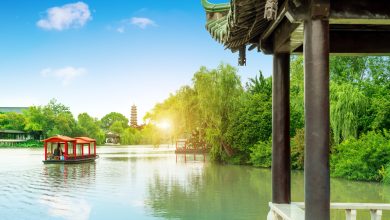
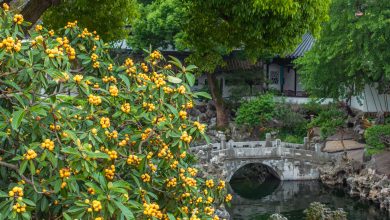
เจียงซู คือดินแดนแห่งสายน้ำตั้งอยู่ทางตอนใต้ของประเทศจีน มีชื่อเสียงเรื่องประวัติศาสตร์และนิทานปรัมปรา เสียงระฆังวัด สายน้ำที่ไหล และเรื่องเล่าเก่า ๆ ได้ร่วมสืบทอดกันมาเป็นเวลาหลายพันปี จนกลายเป็นวัฒนธรรมที่โดดเด่นงดงาม ตั้งแต่เรื่องเล่าพุทธศาสนาไปจนถึงตำนานรักโรแมนติก จากเรื่องเล่าน้ำท่วมในตำนานไปจนถึงสัตว์ในเทพนิยาย เรื่องราวเหล่านี้สะท้อนจินตนาการของผู้คนในสังคมโบราณ และยังคงเป็นส่วนสำคัญของวัฒนธรรมท้องถิ่น
Jiangsu, a land of waterways in southern China, is renowned for its rich history and folklore. The tolling of temple bells, the flow of rivers, and the echo of old tales together form a cultural tapestry spanning millennia. From Buddhist monks to romantic legends, from flood myths to divine beasts, these stories reflect the imagination of ancient society and remain integral to local culture.
รูปภาพจากเวปไซต์
รูปภาพจากอินเทอเนต
🌸 ซูโจว – วัดหันซาน – เทพแห่งความกลมเกลียวสององค์
Suzhou · Hanshan Temple · The Two Immortals of Harmony
-scaled.webp)
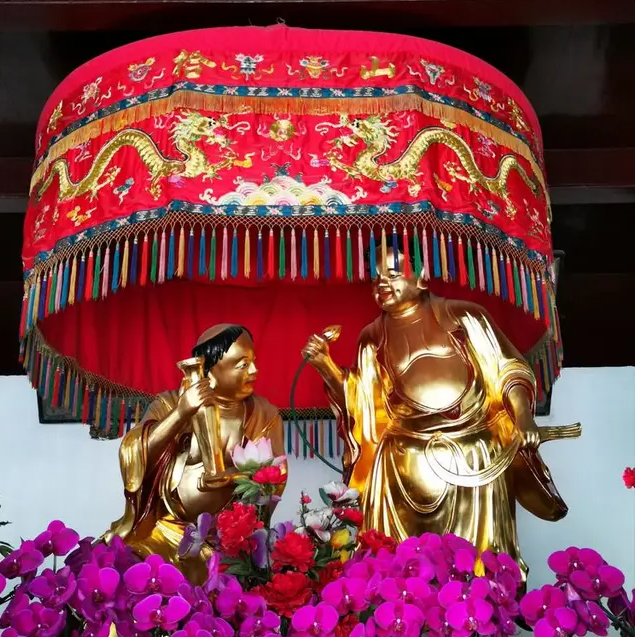
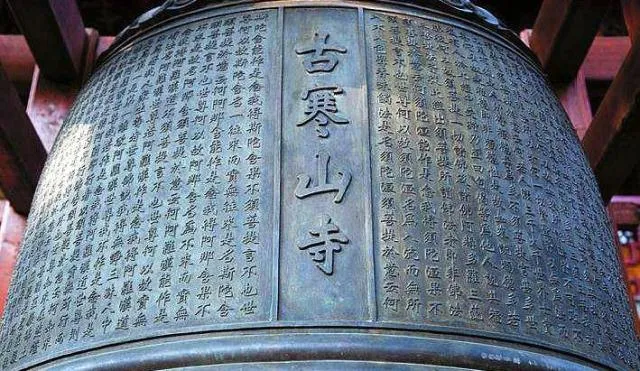
วัดหันซาน ตั้งอยู่ใกล้กับสะพานเมเบิลในเมืองซูโจว เป็นที่รู้จักกันจากประโยคที่ว่า “ระฆังของวัดหันชานดังขึ้นในเที่ยงคืนเหนือเมืองกู่ซู” และจากตำนานของเทพเจ้าแห่งความกลมเกลียวสององค์ ตามประเพณี พระหันซานและชิเต่เป็นเพื่อนสนิทกันในสมัยราชวงศ์ถัง ด้วยความเสียสละซึ่งกันและกันจากเรื่องความรัก พวกเขาแยกทางกัน แต่ต่อมาได้กลับมาพบกันอีก พระหันซานถือกล่องไม้ และชิเต่ถือดอกบัว คำว่า “บัว” และ “กล่อง” จึงรวมเป็น “ความกลมเกลียว” ต่อมาคู่ของพวกเขาได้กลายเป็นที่รู้จักกันในนาม เฮอเฮอ เอ๋อเซียน เป็นเทพเจ้าผู้คุ้มครองความรักและชีวิตคู่ตามพระราชกฤษฎีกาของจักรพรรดิเหยงเจิ้งแห่งราชวงศ์ชิง ปัจจุบันนี้ ผู้มาเยือนสามารถพบศาลเจ้าเฮอเฮอ สระฮั่นชี่ และโบราณวัตถุอื่น ๆ ได้ภายในบริเวณวัด
Hanshan Temple, located near Maple Bridge in Suzhou, is celebrated for the verse, ‘The bell of Hanshan Temple rings at midnight beyond Gusu City,’ and for the legend of the Two Immortals of Harmony and Union. According to tradition, monks Hanshan and Shide were close friends in the Tang Dynasty. Out of mutual sacrifice over a romantic entanglement, they parted ways but later reunited. Hanshan held a wooden box, and Shide a lotus; the words for lotus (hé) and box (hé) form “harmony” (héhé). The pair became known as Hehe Erxian, deified as patrons of marital harmony under an imperial decree by Emperor Yongzheng of the Qing Dynasty. Today, visitors can find the Hehe shrine, Hanshi Spring, and other relics within the temple grounds.
|
🌸 หวยอัน – ภูเขาเหลาจี๋อและหมู่บ้านกุยซาน – ตำนานของอู๋จื่อชี
Huai’an · Laozi Mountain and Guishan Village · The Legend of Wu Zhiqi


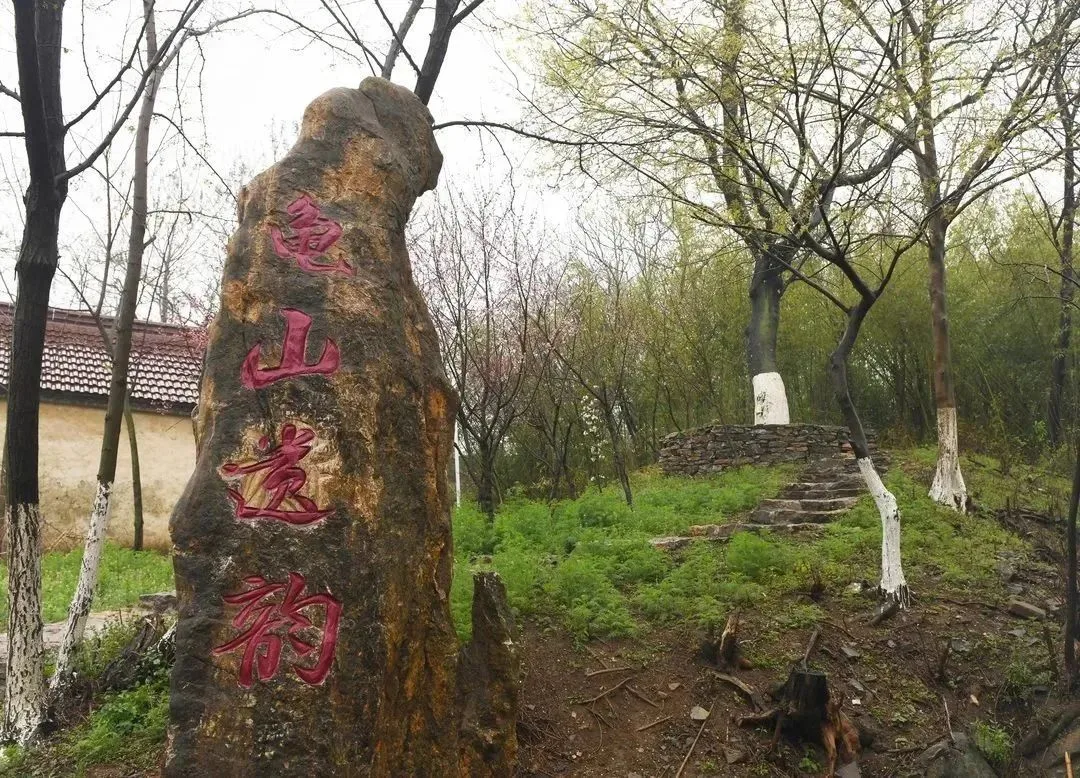
หวยอัน บ้านเกิดของอู่ เฉิงเอิน ผู้ประพันธ์วรรณคดีชื่อดัง “การเดินทางสู่ตะวันตก” หรือ “ไซอิ๋ว” ซึ่งเป็นตำนานของหยู่ ที่เล่ากันว่าได้ปราบเทพเจ้าแห่งเม่น้ำ อู๋ จื่อซี สัตว์ประหลาดที่มีรูปร่างคล้ายวานร ร่างกายสีฟ้า หัวสีขาว ดวงตาสีทอง อู๋ จื่อซี มีพลังมหาศาลและสามารถเรียกพายุได้ ทำให้การควบคุมน้ำท่วมล้มเหลวหลายครั้ง หยู่จึงได้สั่งให้แม่ทัพเกิงเฉินจับอู๋จื่อชี โดยใช้โซ่เหล็กและระฆังทองมัดไว้ และขังไว้ใต้ภูเขากุยซานในหวยอิน ตำนานนี้ต่อมายังเป็นแรงบันดาลใจในการสร้างตัวละครราชาวานร หงอคง ปัจจุบัน ภูเขาเหลาจี๋อและหมู่บ้านกุยซานยังคงเก็บร่องรอยของเรื่องราวที่ยาวนานนี้อยู่
Huai’an, birthplace of Wu Cheng’en, author of Journey to the West, preserves the legend of Yu the Great subduing the river deity Wu Zhiqi. This creature, resembling an ape with a blue body, white head, and golden eyes, possessed immense strength and the ability to summon storms, repeatedly hindering flood control efforts. Yu ordered the god-general Gengchen to capture Wu Zhiqi, binding him with iron chains and golden bells before imprisoning him beneath Guishan in Huaiyin. This myth later inspired the character of the Monkey King. Today, Laozi Mountain and Guishan Village still echo traces of this enduring tale.
|
🌸 เจิ้นเจียง – วัดจินซาน – ตำนานน้ำท่วมวัดจินซาน
Zhenjiang · Jinshan Temple · The Deluge of Jinshan
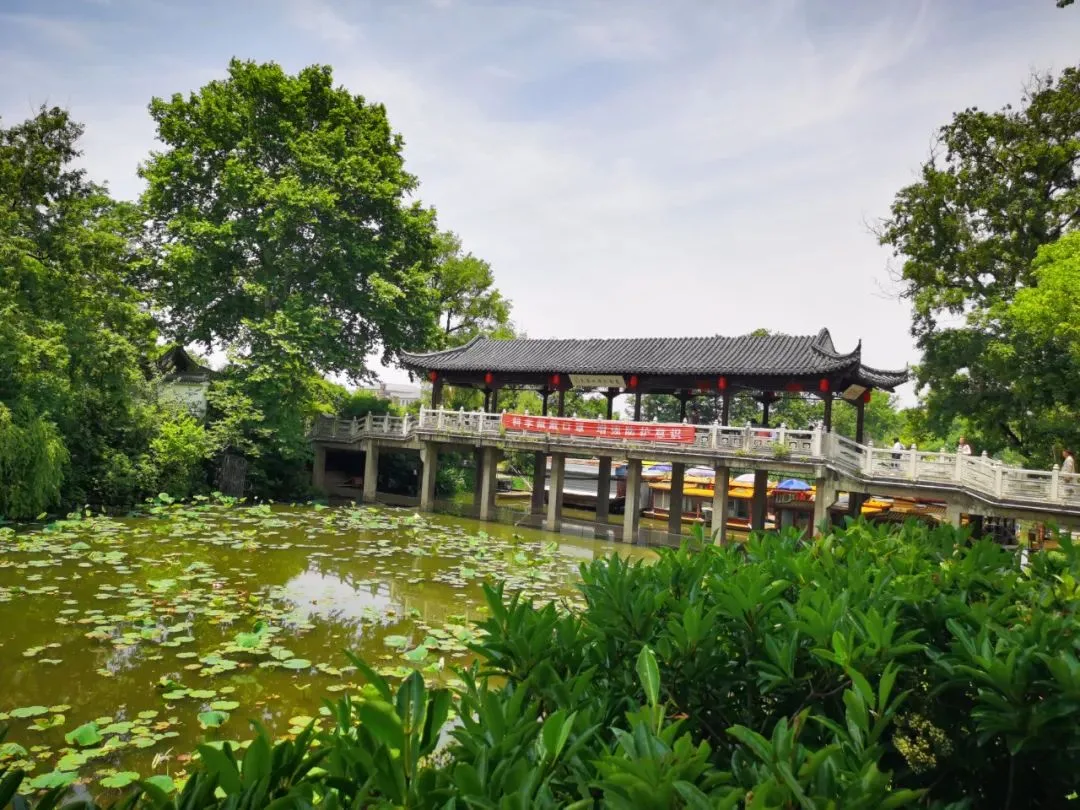
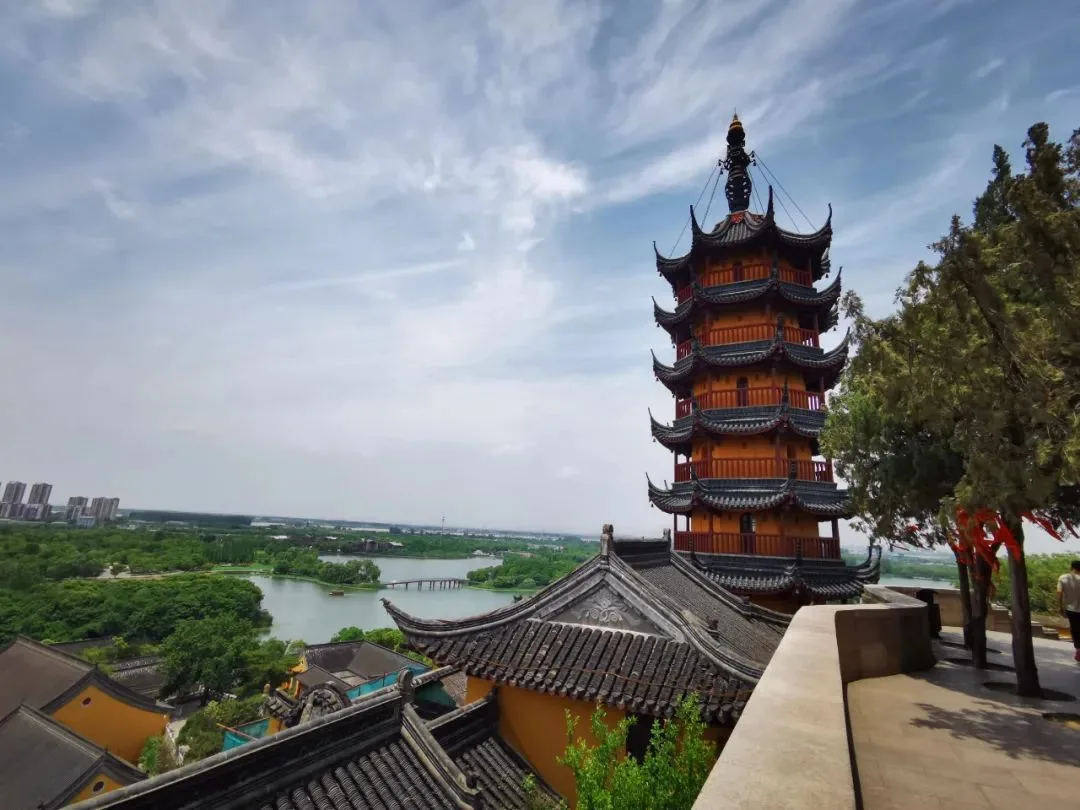
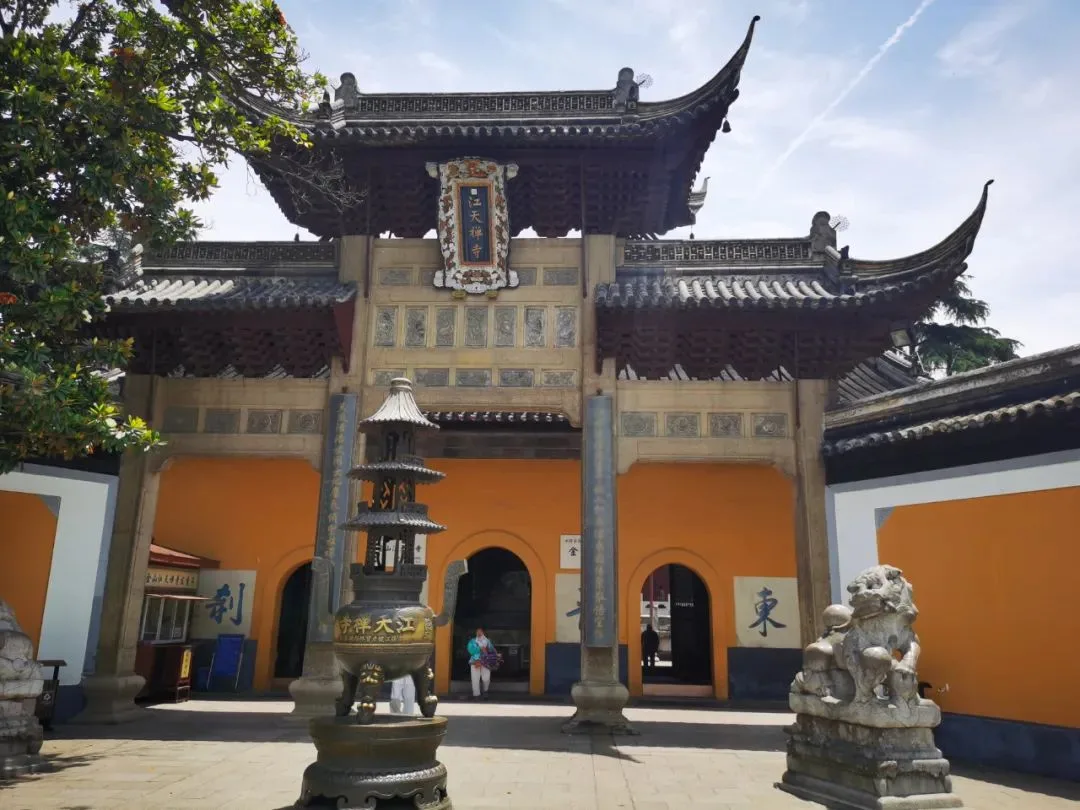
วัดจินซาน มีชื่อเสียงไม่ใช่แค่ด้านประวัติศาสตร์ แต่ยังโดดเด่นด้วยตำนานน้ำท่วมวัดจินซาน เรื่องราวนี้ กล่าวถึง ไป๋ซู่เจิน งูขาวในร่างหญิงสาวที่ต่อสู้กับพระฟ่าไห่เพื่อช่วยสามีของเธอ ชวีเซียน นางได้บันดาลให้น้ำท่วมวัดจินซานจนทำให้ผู้คนได้รับความเดือดร้อน และถือว่าได้ละเมิดกฎสวรรค์ นางจึงถูกจองจำไว้ที่ใต้เจดีย์เหลยเฟิง ต่อมาบุตรชายของนางได้เป็นบัณฑิตและช่วยปลดปล่อยนางออกมา ทำให้ครอบครัวได้กลับมาพบกันอีกครั้ง เรื่องเล่านี้ถือว่าเป็นหนึ่งในสี่ตำนานเรื่องรักที่ยิ่งใหญ่ของประเทศจีน
Jinshan Temple is renowned not only for its historical significance but also for the legend known as the ‘Deluge of Jinshan.‘ In this tale, Bai Suzhen, a white snake spirit, fought the monk Fahai to rescue her husband, Xu Xian. Summoning a flood to submerge the temple, she inadvertently harmed innocents and violated heavenly law, leading to her imprisonment beneath Leifeng Pagoda. Later, her son became a top-ranked scholar and freed her, reuniting the family. This legend endures as one of China’s four great love stories.
|
🌸 ไท่โจว- หมู่บ้านหม่าซวง – ม้าสวรรค์
Taizhou · Mazhuang · The Celestial Horse

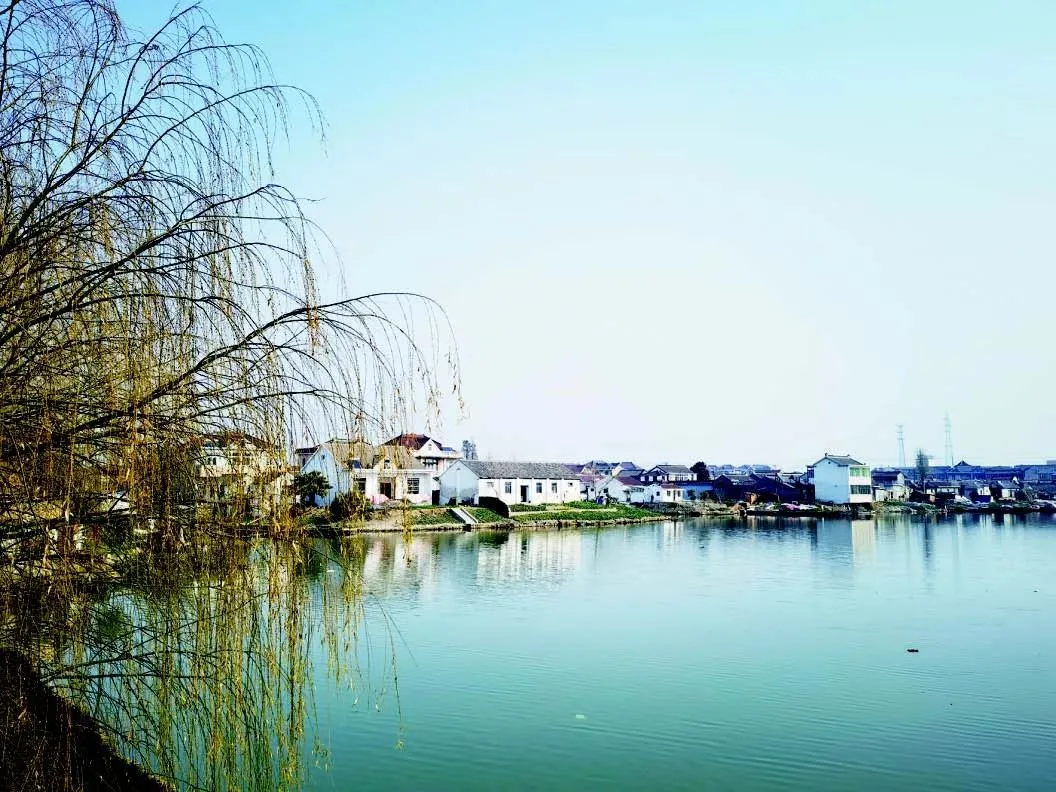
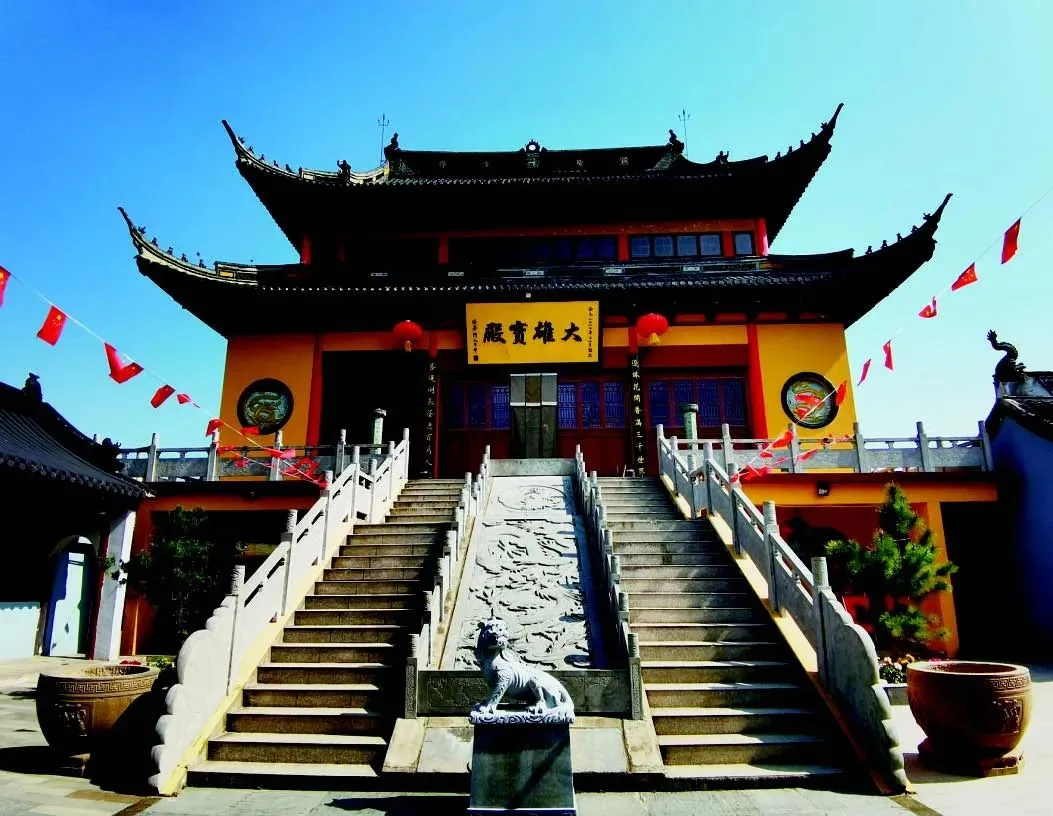
ณ หมู่บ้านหม่าซวงในเมืองอู่ซี ไท่โจว มีตำนานเล่าเกี่ยวกับม้าสวรรค์ที่ลงมายังโลก เพราะเบื่อชีวิตบนสวรรค์ ม้าตัวนี้ลงมาพร้อมกับสิงโตศักดิ์สิทธิ์ ในช่วงความยุ่งเหยิงจากการกบฏของราชาวานร ซุนหงอคง ทั้งคู่หลงใหลในแม่น้ำทั้งเก้าสายและทัศนียภาพอันเขียวขจีของหม่าซวง ม้าได้นอนลงบนพื้นจนทำให้ผืนดินมีรูปร่างคล้ายกับหลังม้า ส่วนสิงโตก็กดพื้นดินจนเกิดสระสิงโต ซึ่งไม่เคยแห้งแม้ในฤดูแล้ง ปัจจุบันนี้ อนุสาวรีย์วัฒนธรรมหลิวเหอ (Liuhe) ยังคงเป็นสัญลักษณ์ถึงเรื่องเล่านี้
In Mazhuang Village of Yuxi, Taizhou, there is a legend about a celestial horse descending to Earth. Bored with heavenly life, the horse, along with a divine lion, came down during the chaos caused by the Monkey King’s rebellion. They were captivated by Mazhuang’s nine rivers and lush greenery. The horse lay on the land, shaping the terrain like a reclining steed, while the lion pressed the ground to form Lion Pond, which never dries even in drought. Today, the Liuhe Cultural Monument stands as a marker of this story.
|
🌸 หยานเฉิง – แม่น้ำหมางเซอ- ตำนานงูเหลือมยักษ์
Yancheng · Mangshe River · The Giant Python Legend
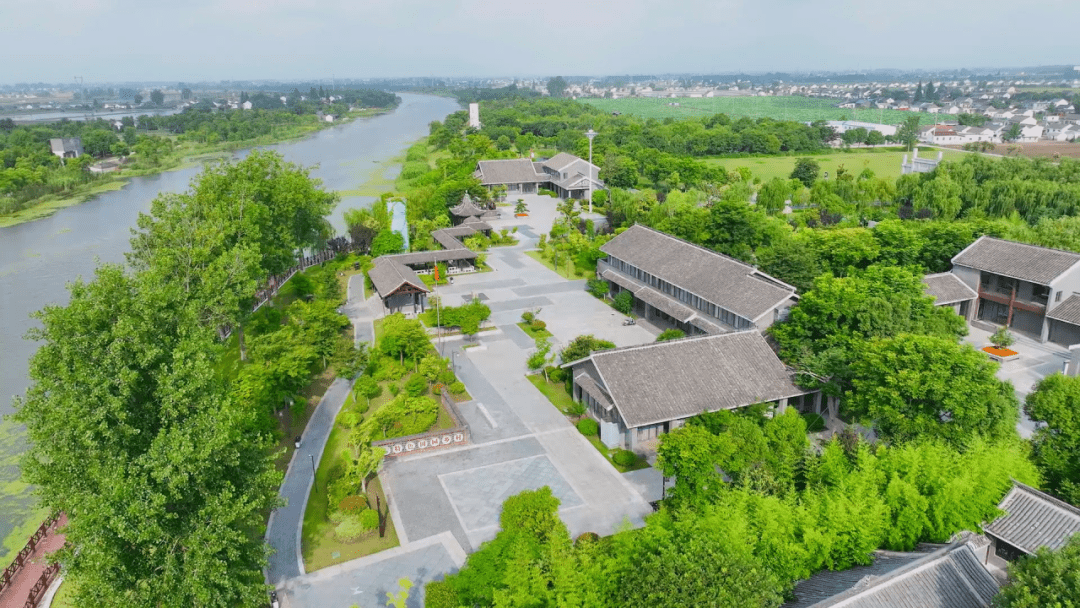
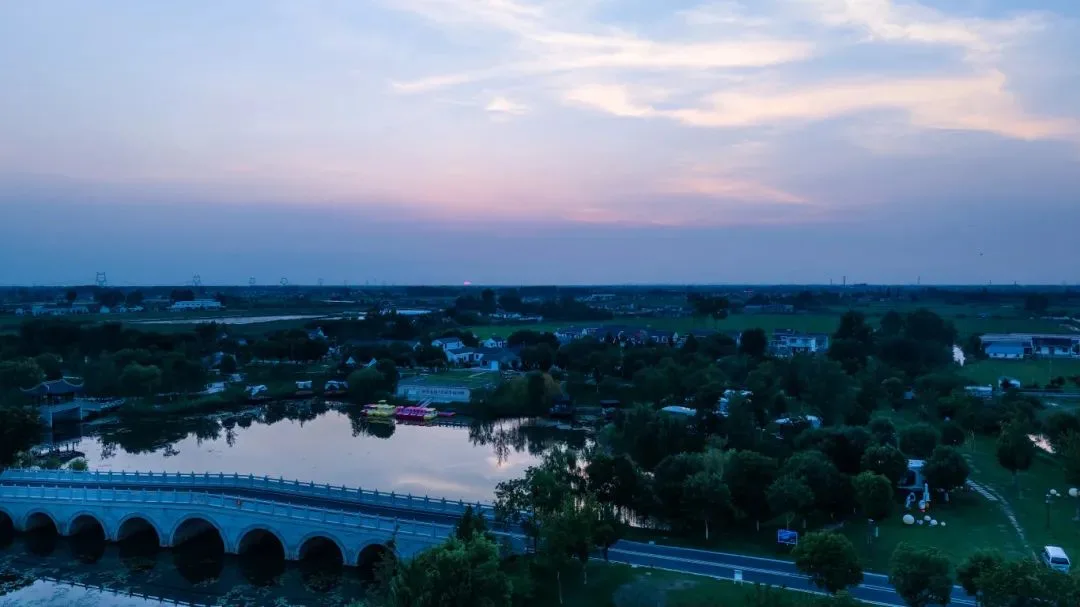
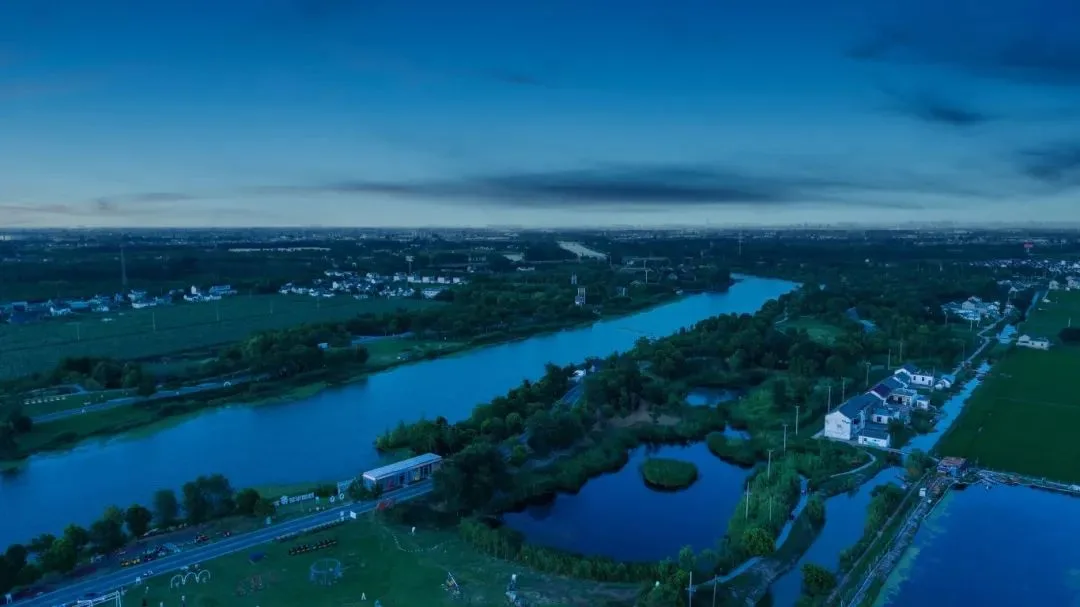
แม่น้ำหมางเซอในเมืองหยานเฉิง ได้ชื่อมาจากตำนานในยุคราชวงศ์จิ้นตะวันออก ซึ่งเล่ากันว่าในคืนหนึ่งคนงานขุดลอกแม่น้ำได้ปักจอบไว้ 108 เล่ม และพอรุ่งเช้าได้พบซากงูเหลือมยักษ์ถูกตัดขาดอยู่ใต้ดิน เมื่อกำจัดซากงูนี้ออกไป น้ำจึงไหลสะดวกและบริเวณรอบ ๆ ก็ได้รับประโยชน์ ปัจจุบันนี้ แม่น้ำหมางเซอยังคงมีบทบาทที่สำคัญทั้งด้านระบบนิเวศวิทยา การชลประทาน การควบคุมน้ำท่วมและวัตถุประสงค์ในด้านวัฒนธรรม
Mangshe River in Yancheng derives its name from an Eastern Jin legend. During river excavation, workers planted 108 spades overnight and discovered the severed body of a giant python beneath the soil the next day. With the serpent gone, the river flowed smoothly, benefiting the surrounding lands. Today, Mangshe River remains a key ecological feature, serving irrigation, flood control, and cultural purposes.
|
🌸 ชวีโจว – หอคอยนกนางแอ่น – เรื่องเล่าของหอคอยนกนางแอ่น
Xuzhou · Swallow Tower · The Swallow Tower Story
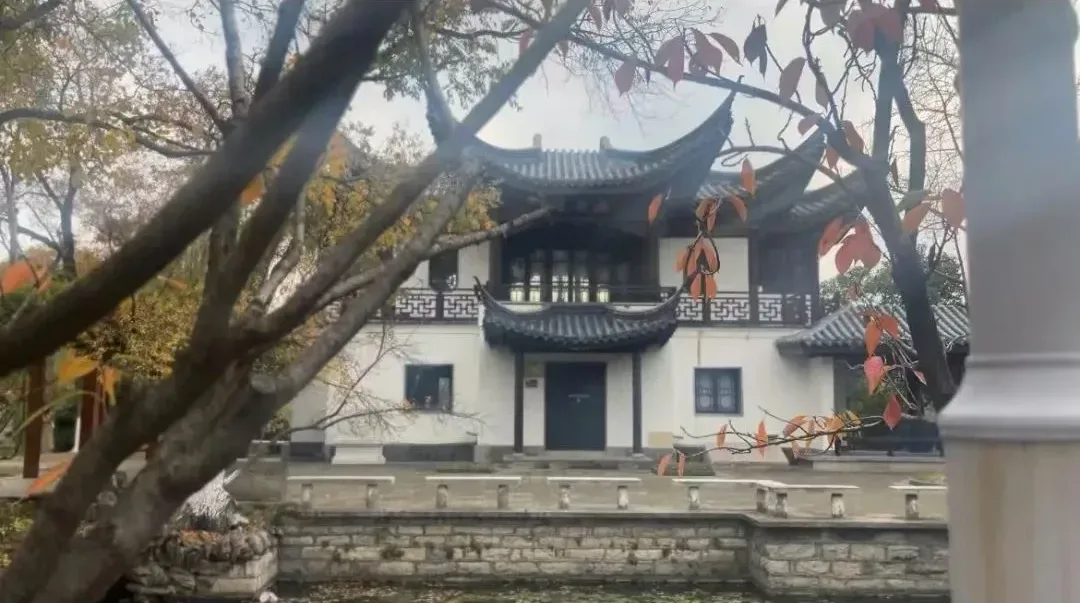
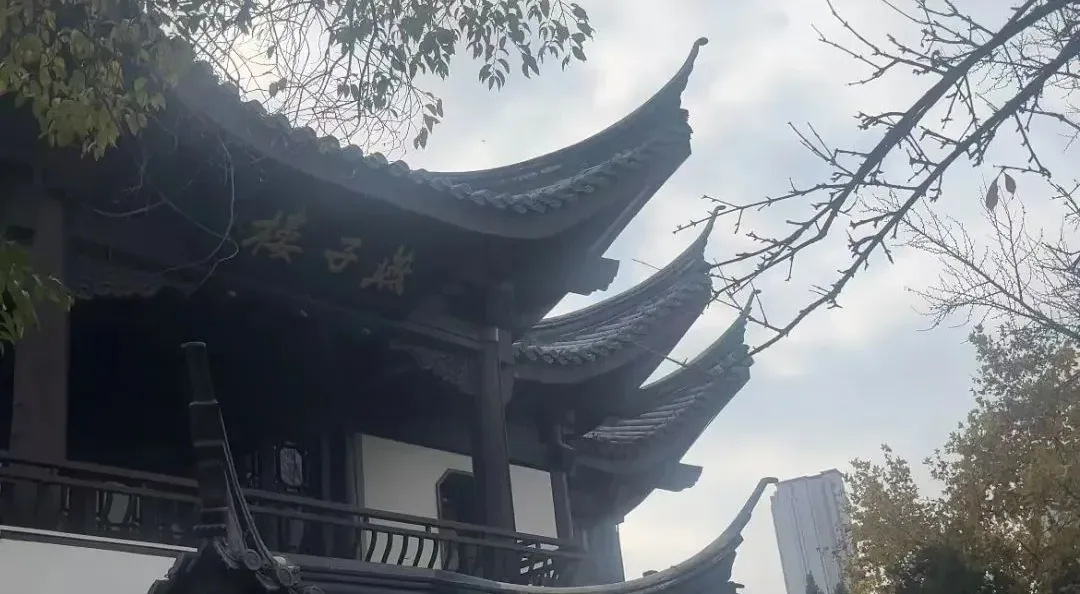
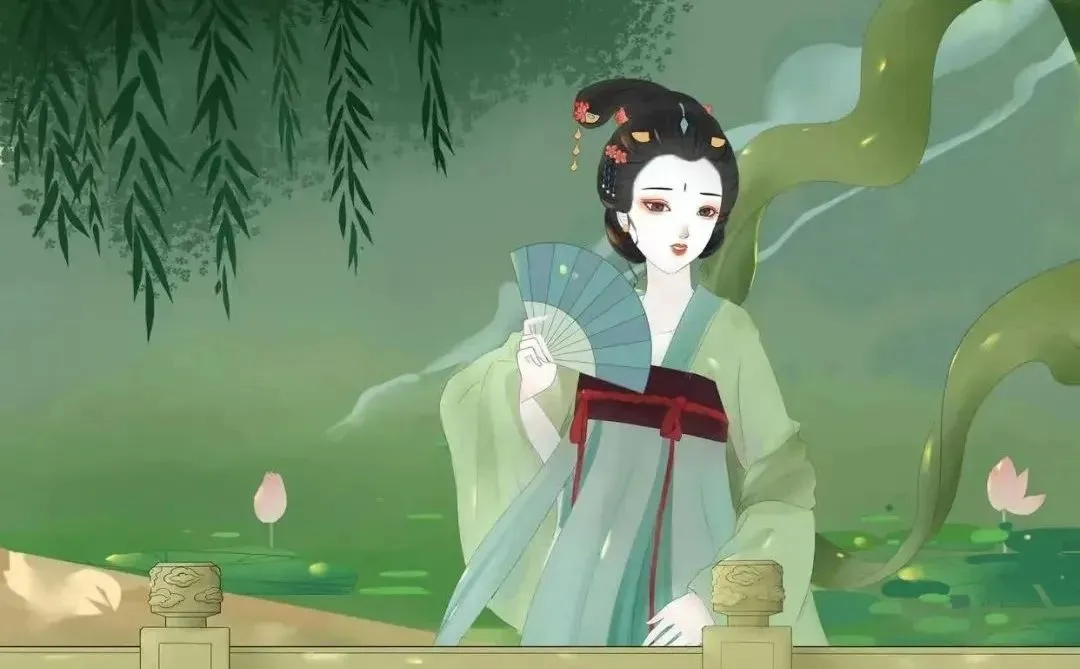
หอคอยนกนางแอ่นในเมืองชวีโจว ตั้งชื่อตามชายคาที่มีลักษณะคล้ายนกนางแอ่นและนกที่มาทำรังทุกปี ในสมัยราชวงศ์ถัง ขุนนางจางอินทรงโปรดปรานนางกวนพ่านพ่าน ซึ่งมีความสามารถด้านดนตรีและการเต้นรำ จึงได้สร้างหอคอยแห่งนี้ให้กับเธอ หลังจากที่เขาเสียชีวิต นางปฏิเสธคู่ครองทุกคนและใช้ชีวิตอย่างโดดเดี่ยวในหอคอยแห่งนี้ ภายหลังบทกวีต่าง ๆ ได้บันทึกเรื่องราวของเธอไว้ โดยเฉพาะอย่างยิ่ง หลี่ซางหยิน ในบทประพันธ์ชื่อ “บทกวีหอคอยนกนางแอ่น” ทำให้เรื่องราวนี้ยังคงอยู่จนปัจจุบัน
Swallow Tower in Xuzhou was named for its swallow-like eaves and the birds nesting there each year. During the Tang Dynasty, Lady Guan Panpan, celebrated for her talent in music and dance, won the favor of Governor Zhang Yin, who built the tower for her. After his death, she refused all suitors and lived there in seclusion. Later poets immortalized her story, including Li Shangyin in his ’Swallow Tower Poems, ‘ ensuring its enduring fame.